Protect Yourself from QR Code Scams: What You Need to Know
Protect Yourself from QR Code Scams: What You Need to Know
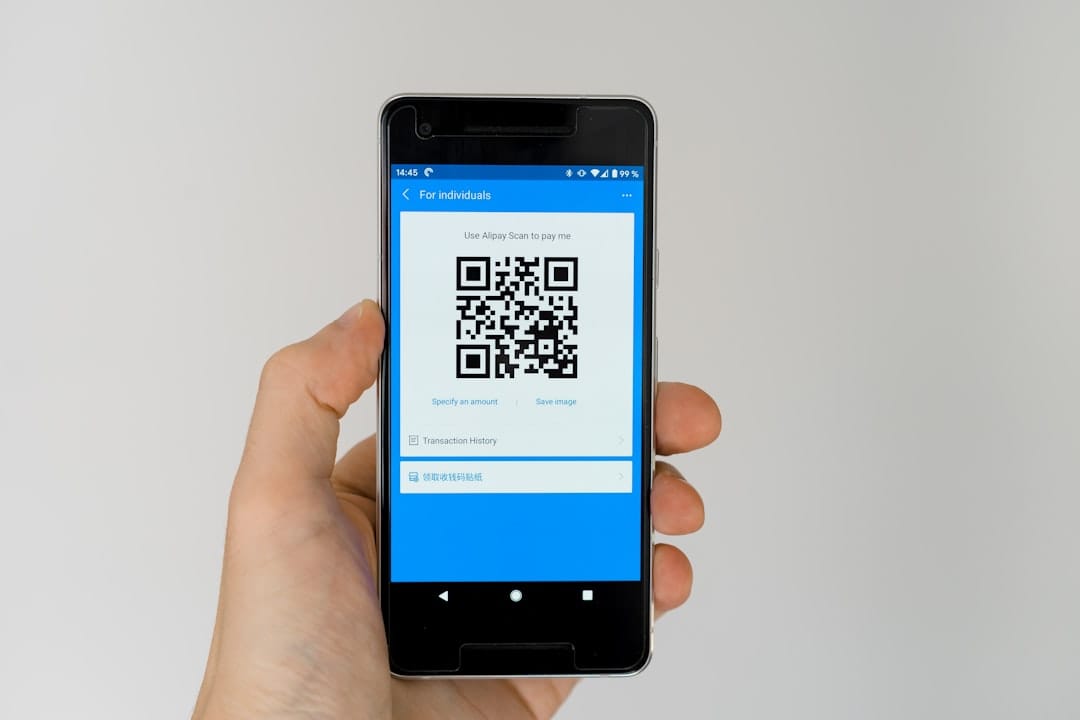
QR codes, once a convenient tool for accessing menus and making quick payments, are increasingly being used for malicious purposes. Recently, a disturbing trend has emerged where criminals send unsolicited packages containing QR codes. These seemingly harmless codes, when scanned, can lead to drained bank accounts or silent malware installations on your device. Understanding how these scams work and how to protect yourself is crucial in today's digital landscape.
Understanding the QR Code Scam
This deceptive practice is an evolution of the traditional brushing scam. Initially, brushing scams involved online sellers sending unsolicited products to random people, then using their details to generate fake reviews. While it was more of a nuisance, the scenario has escalated into a serious fraud scheme. Instead of receiving a product, victims now often find a printed QR code. Scanning this code can redirect them to fraudulent websites, urging them to provide sensitive information like banking details or login credentials. Some codes even install malware to monitor activities and steal data straight from the victim's device.
Why QR Codes Attract Scammers
QR codes are widespread, from restaurants to airports, and people often scan them without hesitation. Unlike suspicious links, a QR code conceals its destination until scanned, making it an ideal tool for deception. Scammers exploit this by sending mystery packages without sender information, banking on the recipient's curiosity to scan the code.
The consequences can be severe. Victims may unknowingly give away personal and financial information, or have malware installed that tracks their actions and targets their financial accounts. These scams often go unnoticed until unauthorized charges or withdrawals appear, by which time the damage has been done.
Preventing QR Code Scams: Seven Essential Tips
Fortunately, a few precautions can significantly reduce the risk of falling victim to QR code scams. Here are seven effective strategies:
- Exercise Caution with Unsolicited QR Codes: Avoid scanning QR codes from unknown sources, such as mystery packages, random flyers, or public stickers. Consider QR codes as hyperlinks whose destinations are unknown until scanned. Protect yourself by installing robust antivirus software on your devices to block fraudulent sites and downloads.
- Stick to Trusted Sources: Only scan QR codes from reputable businesses or organizations you are already familiar with. If you wouldn't trust a random link in a message, don't trust a QR code from an unknown sender.
- Preview Links Before Opening: Use your phone's functionality to preview a QR code's URL by pressing and holding the link. If the address appears suspicious, with odd spellings or numbers, avoid opening it.
- Limit Your Digital Footprint: Reduce the amount of personal information available about you online. Consider using data removal services to clean your information from public databases, decreasing the chances of being targeted by scams.
- Enable Two-Factor Authentication (2FA): Adding an extra layer of security to your accounts through 2FA can prevent unauthorized access even if your login details are compromised.
- Keep Your Device Updated: Regularly update your phone's operating system and apps to benefit from the latest security patches that protect against malware delivered via QR codes.
- Report Suspicious Activity: If you receive an unexpected package with a QR code, report it to local authorities rather than discarding it. This not only protects you but helps track and spread awareness of these scams.
The Takeaway
Though QR code scams may not yet be widespread, they highlight how quickly criminals adapt to new technologies. QR codes are meant to simplify our lives, but the convenience they offer can turn into a liability when curiosity overrides caution. Remember, a mystery package with a QR code isn't a fun puzzle—it's a warning sign. The best course of action is to avoid interacting with it and report any suspicious occurrences.
Have you ever scanned a QR code without considering the potential risks? Share your experiences and tips for staying safe in the comments below or by contacting us.
For more tips and security alerts delivered straight to your inbox, consider subscribing to our newsletter. Stay informed and protect yourself from the evolving threats in our digital world.