Preserving Memories: The Future of Remembrance with QR Codes on Graves
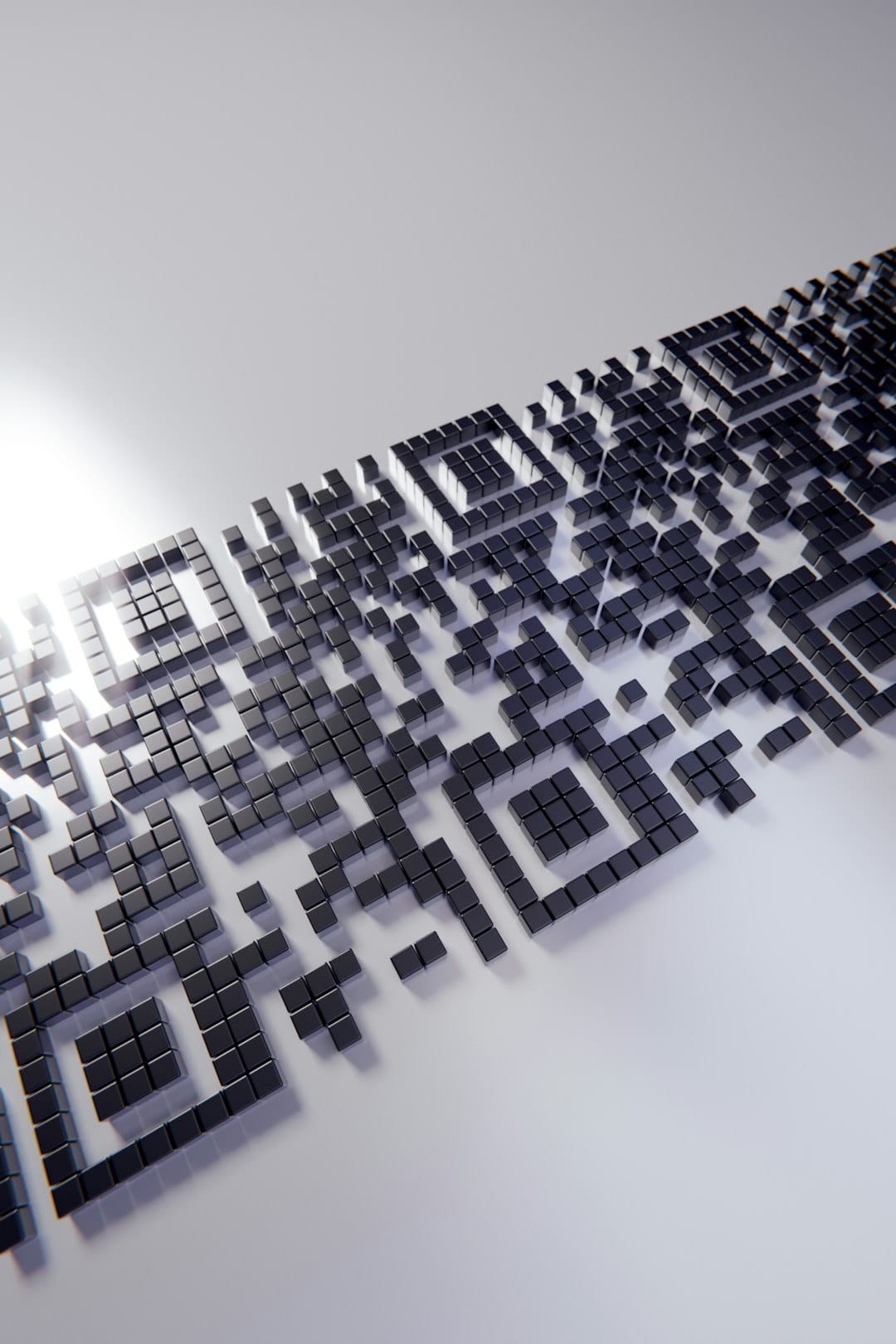
Preserving Memories: The Future of Remembrance with QR Codes on Graves
In a world increasingly shaped by digital innovations, a new trend is emerging in Ankara that is transforming how we remember and honor our loved ones. By placing QR code generators on gravestones and memorials, families are finding new ways to preserve and share the cherished memories of those they have lost.
The Digital Memorial Journey
This innovative approach allows visitors to access online profiles by simply scanning the QR codes. These profiles are rich with photographs, videos, voice recordings, and written memories, ensuring that the stories and personal histories of departed loved ones can be passed down through generations.
The concept was brought to life by Barış Can Aydıntürk, a young entrepreneur who first imagined this project during his university days. His vision is to offer a secure digital space where users can upload various forms of remembrances for their deceased family members, pets, or even treasured possessions. This initiative aims to provide a reliable alternative to traditional digital storage solutions, which can sometimes fail over time.
A Modern Approach to Remembrance
The system links these digital profiles to durable, stainless steel QR codes, which are then affixed to gravestones, monuments, or personal memorial items. With a simple scan, visitors are transported to the virtual profile, connecting them with the past in a new and meaningful way.
Aydıntürk highlights the positive reception from the public, noting that many individuals see this as a modern extension of age-old remembrance customs. Just as families might visit graves to lay flowers, this project offers another avenue to fulfill the human need for connection and remembrance.
Expanding the Reach of Digital Memorials
Looking to the future, Aydıntürk aspires to extend this initiative to cemeteries dedicated to fallen soldiers, with a proposal already submitted to the relevant authorities. Additionally, plans are underway to develop a dedicated platform for the victims of the February 6 Kahramanmaraş earthquake, aiming to offer solace and a place of remembrance for the affected families.
This digital memorial concept is not only about preserving memories but also about ensuring that the stories of our loved ones endure. It provides a bridge between the past and present, allowing future generations to understand and appreciate their heritage in a digital landscape.
The integration of technology into such a personal and emotional aspect of life marks a significant shift in how we perceive and engage with memory and history. As this trend continues to grow, it will undoubtedly shape the way we honor and remember, blending tradition with innovation.
The potential impact of this initiative is vast, offering not only a personal connection to the past but also a broader cultural significance. By embracing this digital evolution of memorials, we open the door to a future where the stories of our ancestors are not just preserved but are vividly brought to life for generations to come.