Noida and Delhi Metro Collaborate on QR Code Integration
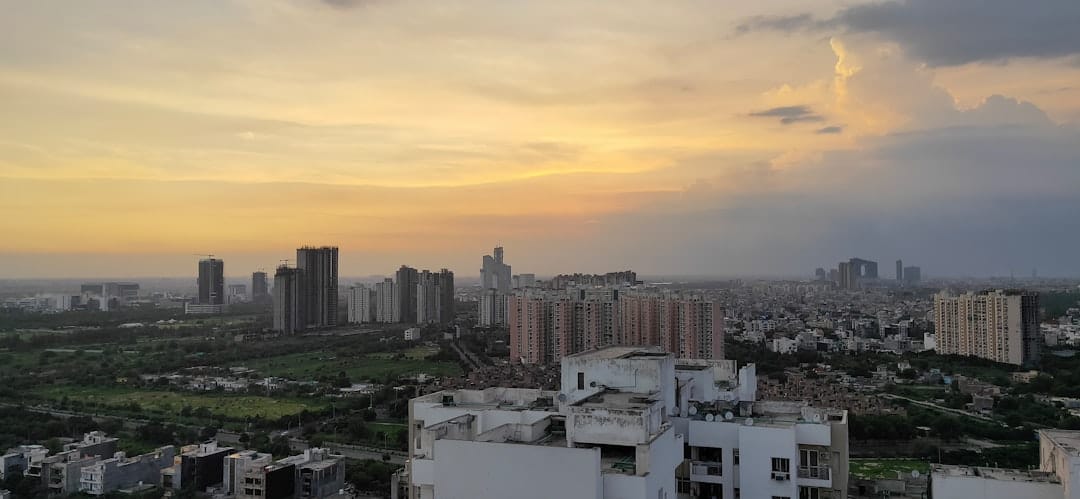
Noida and Delhi Metro Collaborate on QR Code Integration
In a significant development for metro users in the National Capital Region, the Noida Metro Rail Corporation (NMRC) has announced a partnership with the Delhi Metro Rail Corporation (DMRC) to streamline ticketing processes using QR codes. This initiative aims to enhance passenger convenience by integrating QR code access across both metro systems' mobile applications.
Streamlined Travel Experience
Until recently, commuters traveling between the Noida Metro’s Aqua Line and the Delhi Metro had to rely on separate mobile applications for purchasing tickets. This cumbersome process required users to switch between apps, complicating the travel experience. However, with the newly introduced changes, this hurdle is set to become obsolete.
As part of the collaboration, the DMRC's Sarthi application will now feature the QR code for Noida Metro’s Aqua Line. Likewise, the Noida Metro application will include the QR code for the Delhi Metro, allowing travelers to access both services seamlessly without the need for multiple app downloads.
Simplified Mobile Access
Lokesh M, Managing Director of NMRC, officially launched the QR code integration at the NMRC office in Sector 29. He highlighted that this advancement addresses previous inconveniences faced by commuters, making it easier for them to plan their journeys efficiently. With the integration, passengers no longer need to exit one application to purchase tickets for another line, which was a common issue for those traveling between the Blue Line and Aqua Line.
Future Prospects of a Unified QR System
The NMRC and DMRC are not stopping at just providing QR codes on each other’s platforms. They are actively working on developing a unified QR code system that would further simplify the process for passengers, allowing them to use a single QR code across different metro lines. While the exact date for this unified QR code implementation has not been announced, the effort underscores the commitment of both metro systems to improve passenger convenience and operational efficiency.
The introduction of the integrated QR codes marks a significant step forward in public transport innovation, reducing friction in the user experience and encouraging more people to use metro services as a viable alternative to road transport.
Conclusion
This strategic partnership between NMRC and DMRC is expected to significantly influence how commuters navigate the metro networks in the region. By making it easier to access transit services through a QR code generator, the two corporations are setting a precedent for other public transport systems to follow.
As cities strive for smarter and more connected infrastructure, initiatives like these pave the way for efficient public transportation systems that cater to the needs of urban populations. For now, metro users in Noida and Delhi can look forward to an improved journey experience, with more advancements on the horizon.