New QR Code Payment Service Set to Revolutionize Transactions in Japan
New QR Code Payment Service Set to Revolutionize Transactions in Japan
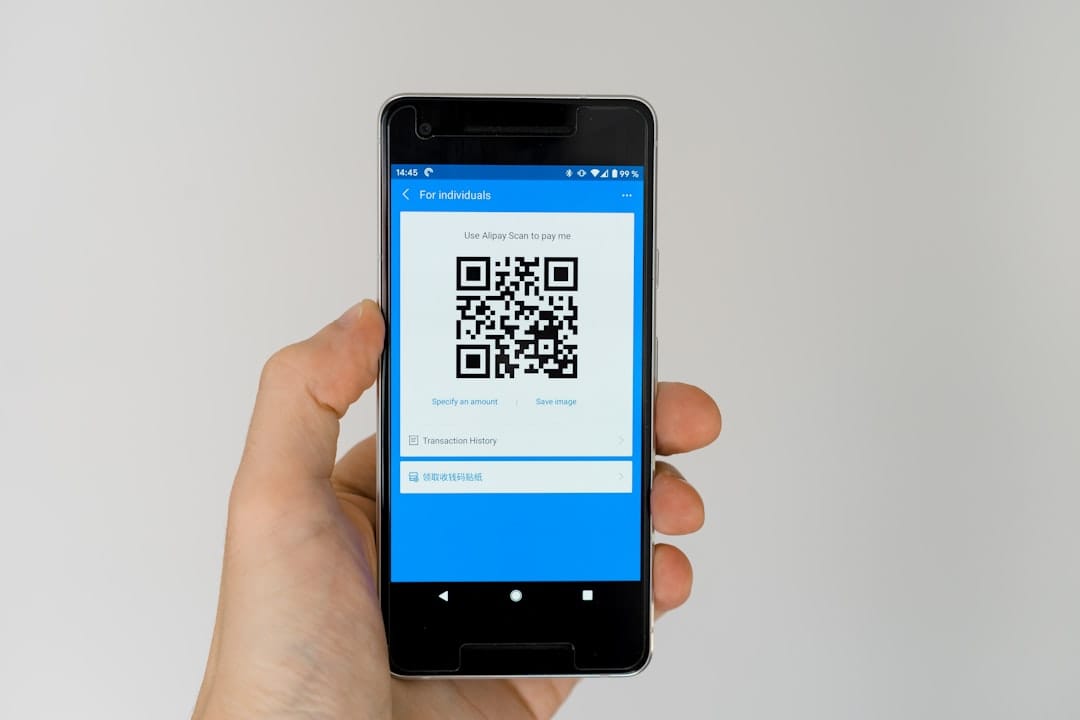
Exciting developments are on the horizon for digital payments in Japan. JR East and PASMO, significant players in transportation and electronic payment systems, are gearing up to introduce a new QR code payment service named "teppay." This service promises to simplify transactions and enhance convenience for users across the nation.
Overview of Teppay Launch
The rollout of teppay is scheduled for different phases. JR East plans to integrate this service with its "Mobile Suica" app in the fall of 2026. Similarly, PASMO will introduce teppay through its "Mobile PASMO" app by spring 2027. Although exact dates are pending, users can anticipate a seamless transition as these updates go live.
The name "teppay" cleverly combines the initials of "travel," "easy," and "partnership," reflecting the service's core mission to facilitate smooth and effortless payments. Once launched, teppay will be usable at over 1.6 million locations across Japan, identifiable by the "Smart Code" mark, a unified QR code payment service spearheaded by JCB.
Features and Benefits of Teppay
Teppay is designed to be flexible and user-friendly, offering multiple features to enhance user experience:
- Extensive Accessibility: In addition to physical stores, teppay will enable online payments around the summer of 2026, thanks to the virtual card feature named "teppay JCB Prepaid."
- Regional Programs: A unique “Barichike” function will support municipal cashless rebate schemes, making it a valuable tool for regional initiatives.
- Versatile Top-Up Options: Users can top up their teppay balance using various methods, including bank accounts, ATMs, or a View Card. With a linked View Card, users can make purchases even with a zero balance, treating the transaction as a credit card purchase.
- Increased Spending Limit: The service allows users to surpass the traditional Suica and PASMO balance cap of 20,000 yen, offering greater financial flexibility.
Seamless Integration and User Base
For those already using "Mobile Suica" or "Mobile PASMO," the transition to teppay will be seamless. There is no need to download new apps or undergo additional registration processes, enabling a smooth adjustment for the existing user base of over 35 million people.
This collaborative effort between JR East and PASMO ensures that a broad range of users will benefit from teppay, regardless of their current service areas in Japan. This unified approach aims to enhance usability, clarity, and economic efficiency by providing a common QR code generator payment method.
Enhancing Economic Efficiency
One of the primary goals of teppay is to improve economic efficiency for both businesses and consumers. By streamlining payment processes and reducing the need for multiple payment systems, teppay is poised to offer a pragmatic solution to everyday transactions.
The partnership between JR East and PASMO signifies a significant shift towards more integrated and user-friendly payment solutions in Japan. As the launch dates draw closer, anticipation is building for this innovative approach to digital transactions.
Conclusion
The introduction of teppay marks a significant step forward in the evolution of payment systems in Japan. By leveraging the extensive reach and reliability of JR East and PASMO, this new service is set to transform how people conduct transactions, offering unparalleled convenience and efficiency.
As teppay rolls out, users can look forward to a new era of hassle-free payments, making everyday transactions smoother and more accessible than ever before. Stay tuned for more updates as the launch approaches and prepare to experience the future of payments in Japan.