Netanyahu's UN Address: A QR Code and a Bold Message
Netanyahu's UN Address: A QR Code and a Bold Message
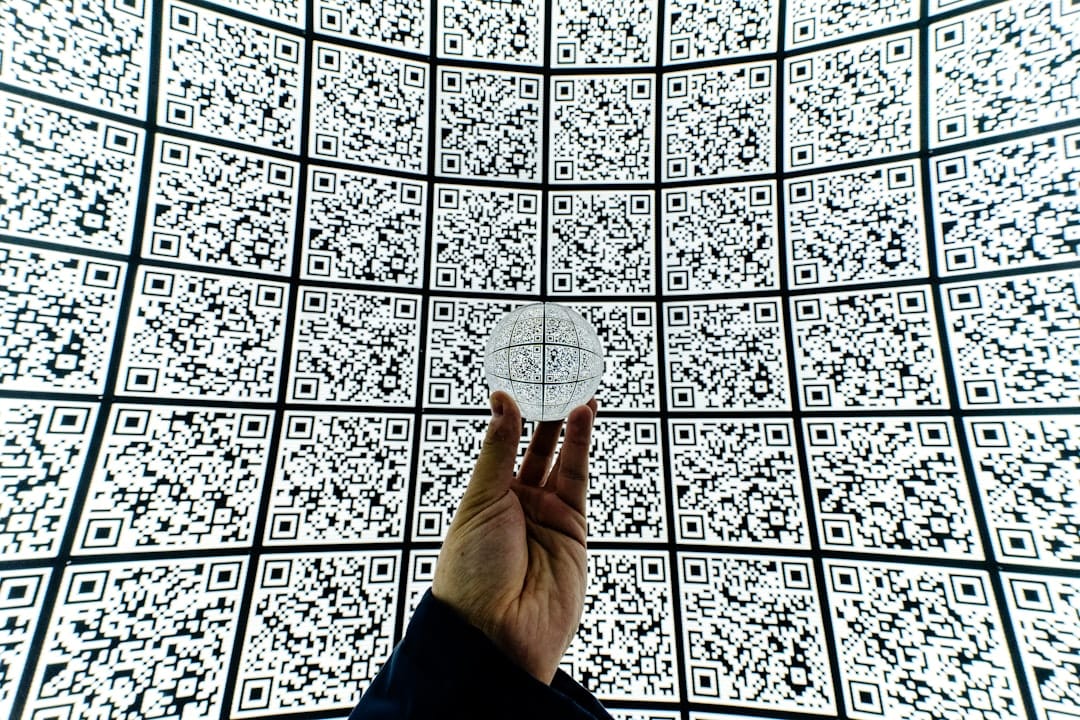
During a recent address to the United Nations, Israeli Prime Minister Benjamin Netanyahu made a striking statement by wearing a QR code on his lapel. This QR code was not merely a fashion accessory; it linked to footage of Hamas atrocities that occurred on October 7. By incorporating this digital element into his appearance, Netanyahu aimed to convey a powerful narrative and underscore the gravity of the situation.
A Message of Resolve
Netanyahu's address was not just about presenting evidence of past events but also a declaration of Israel's steadfast commitment to its goals. Speaking initially in Hebrew and then transitioning to English, he directly addressed hostages and assured them that the people of Israel are unwavering in their resolve. "We will not falter and we will not rest until we bring all of you home," he emphasized, reinforcing Israel's determination to secure the release of hostages held by Hamas.
The Global Stage and Reactions
Netanyahu's speech at the UN was not without its challenges. As he laid out Israel's demands for Hamas to release captives and accept terms for Gaza's future, some delegates chose to walk out in protest. This action highlighted the contentious nature of the conflict and the varied international perspectives on the issue. Despite this, Netanyahu stood firm in his belief that Israel must "finish the job" against Hamas, regardless of external pressures.
The Role of Technology in Communication
The use of a QR code generator to disseminate critical information is a testament to how technology can play a crucial role in modern diplomacy and communication. By linking to specific video footage, Netanyahu utilized a simple yet effective tool to ensure that his message reached a broad audience. This approach reflects a growing trend of incorporating digital tools to engage with and inform both local and global communities.
Implications for the Future
Netanyahu’s bold move at the UN not only reinforced Israel’s stance but also raised questions about the use of digital media in high-stakes political communication. As conflicts and political landscapes evolve, so too will the methods leaders use to share their messages. The incorporation of technology in diplomatic efforts can bridge gaps in understanding and provide undeniable evidence to support narratives.
As the situation in Gaza continues to develop, the international community remains attentive to the unfolding events and the resolutions proposed by key players like Israel. Netanyahu’s speech, punctuated by the significant use of a QR code, serves as a reminder of the complexities involved in global diplomacy and the innovative strategies employed to navigate them.
Conclusion
In a world where information is power, Netanyahu’s strategic use of a QR code at the UN marks a pivotal moment in political communication. By linking directly to impactful content, he not only highlighted the urgent issues at hand but also demonstrated how modern technology can transform traditional forums. As we move forward, such approaches could become increasingly common, shaping the way nations communicate on the world stage.