Leveraging QR Codes in Modern Retail: A Comprehensive Guide
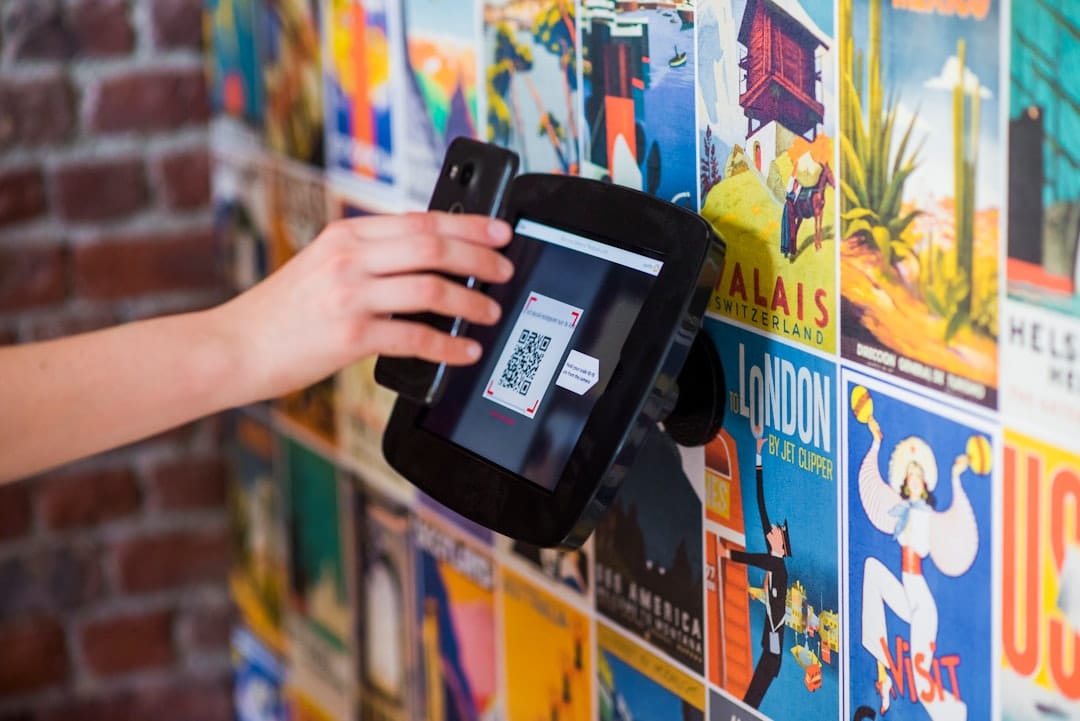
Leveraging QR Codes in Modern Retail: A Comprehensive Guide
In the ever-evolving retail landscape, QR codes have emerged as an indispensable tool, shaping how businesses interact with customers. Gone are the days when QR codes were a mere bridge between in-store and online experiences. Today, they serve a multitude of purposes, from marketing to payment solutions and operational efficiency.
Understanding QR Codes
QR codes, or Quick Response codes, are two-dimensional barcodes easily scanned by smartphone cameras. Introduced in 1994, their primary function was to enhance scanning speed and reliability in manufacturing settings. These codes store information in a grid of black and white squares, and their robust design allows them to remain scannable even if partially damaged.
There are two main types of QR codes:
- Static QR codes: These contain fixed data. Once created, the information cannot be altered.
- Dynamic QR codes: These link to a URL that can be updated without changing the QR code itself. This flexibility makes them ideal for marketing campaigns and tracking analytics.
Why QR Codes Are Essential in 2025's Retail Landscape
QR codes provide universal appeal and functionality. For businesses, a single QR code can achieve numerous objectives such as launching websites, enrolling customers in loyalty programs, tracking consumer origin, and offering rich content like care instructions.
Shoppers find them convenient as they can instantly access product pages, schedule pickups, or initiate returns by scanning codes in-store. Additionally, they offer insights into how physical and digital interactions drive sales, a concept known as omnichannel analytics.
Six Strategies to Incorporate QR Codes in Retail Marketing
- Direct Traffic to Your Website: Place QR codes throughout your store to quickly guide customers to online product details or special offers.
- Gather First-Party Data: Use QR codes in advertisements to encourage customers to provide contact information for newsletters or promotions.
- Encourage Product Reviews: After a purchase, prompt customers to leave reviews via QR codes on receipts or packaging.
- Enhance Window Displays: QR codes on storefronts can turn passersby into customers by allowing them to shop even when the store is closed.
- Simplify Repeat Purchases: Facilitate easy reordering of products by providing QR codes that direct to product pages or reorder forms.
- Manage Out-of-Stock Situations: Place QR codes on shelves of out-of-stock items to redirect customers to similar products or sign-up forms for restock notifications.
Beyond Marketing: QR Codes for Payments and Operations
Streamline Payments
QR codes offer a convenient, card-free payment method that reduces transaction fees associated with traditional card networks. Retailers are increasingly adopting pay-by-bank QR codes at checkouts, providing a seamless shopping experience.
Enhance Supply Chain Transparency
In the supply chain, QR codes are used to share detailed product information such as origin, allergens, and recall notices. The GS1 Digital Link standard facilitates this, aligning with emerging regulations like the EU's Ecodesign for Sustainable Products.
Simplify Product Registration
Brands can place QR codes on products for easy registration and warranty activation. This not only enhances customer experience but also helps businesses maintain accurate customer records for future communications.
Common Pitfalls and How to Avoid Them
Technical Errors
To ensure QR codes function properly, they must be correctly sized, have a clear margin (quiet zone), use high contrast colors, and be placed thoughtfully to avoid interference with other barcodes.
Mobile Optimization
A successful scan must lead to a mobile-friendly, fast-loading page. Slow-loading pages can deter customers, affecting conversion rates adversely.
Security Concerns
QR codes can be exploited for phishing scams (quishing). To prevent this, ensure codes lead to branded, recognizable URLs, and educate staff and customers to verify links before proceeding.
Conclusion: Getting Started with QR Codes
QR codes, when used effectively, can significantly enhance your brand's engagement with customers. Begin by identifying where and how QR codes can be integrated into your business operations. Once you're ready, you can use a QR code generator to start creating these digital touchpoints.
Incorporating QR codes into your retail strategy can streamline operations, boost marketing efforts, and improve customer experience, making them an essential tool for modern retailers.