Leveraging QR Codes for Black Friday and Cyber Monday Success
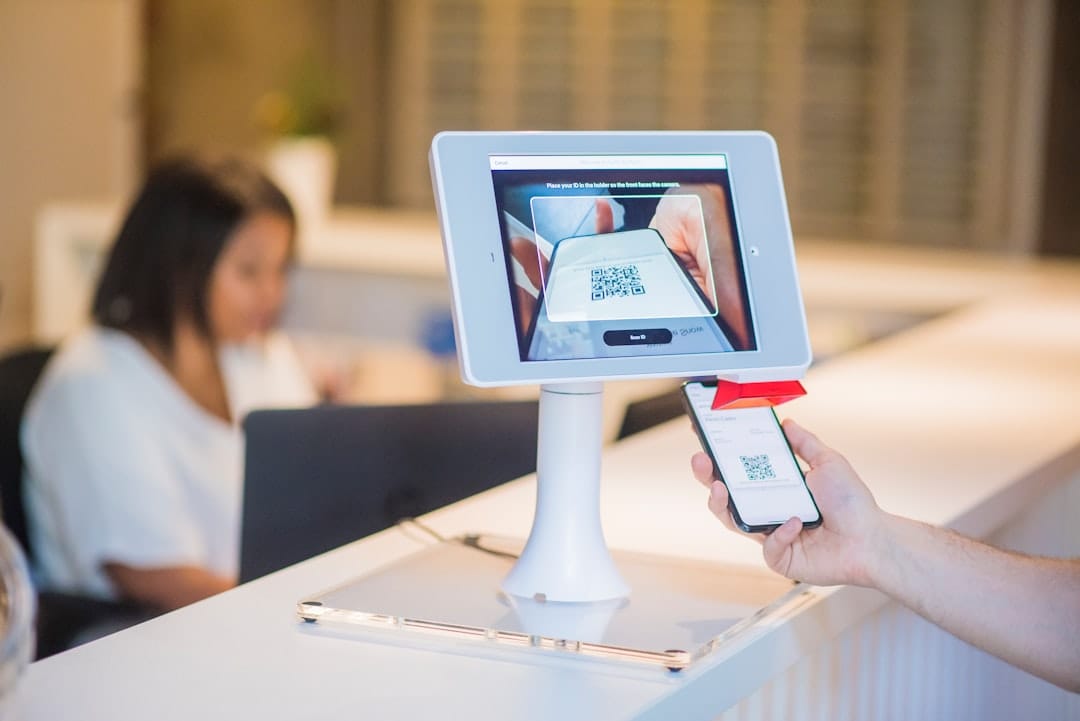
Leveraging QR Codes for Black Friday and Cyber Monday Success
In the era of digital convenience, QR codes have emerged as a pivotal tool for retailers seeking to enhance the shopping experience during Black Friday and Cyber Monday (BFCM). While discounts have traditionally been the centerpiece of these shopping events, QR codes are increasingly becoming the key to unlocking customer engagement and loyalty.
The Role of QR Codes in Modern Retail
QR codes offer a bridge between physical stores and digital platforms, allowing customers to access information instantaneously. As marketers gear up for BFCM, understanding the diverse expectations of shoppers across different demographics is crucial. The ability to deliver a seamless, value-driven experience via QR codes can set retailers apart from the competition.
Understanding Shopper Expectations
Research reveals that while 72% of marketers found their BFCM campaigns effective, there is still a gap in how QR codes are utilized. A recent survey indicates that 74% of consumers might scan a QR code during BFCM, but the real challenge lies in meeting their expectations post-scan. Here’s what shoppers typically look for:
- Deals and Discounts: 41% of shoppers are motivated to scan for immediate savings.
- Product Information: 42% want detailed product insights to make informed decisions.
- Convenient Checkout: 13% are drawn by the promise of a faster checkout process.
Generational Preferences for QR Codes
Understanding generational differences can aid in tailoring QR code strategies:
Generation Z
Gen Z is the most enthusiastic about QR codes, with 86% open to scanning. They prefer in-store signage and social media ads, seeking immediate deals and detailed product information. For Gen Z, a smooth scanning experience is essential, as broken links or unresponsive codes can quickly deter them.
Millennials
Similarly eager, 84% of Millennials scan QR codes, often engaging with them through in-store signage and websites. While 40% seek deals, they also value convenience, with many expecting a straightforward path from scanning to purchasing.
Generation X
Gen X exhibits cautious optimism with 74% open to scanning. They prefer traditional touchpoints like printed ads and signage, focusing primarily on discounts. For this group, clarity and reliability in the scanning experience are crucial.
Baby Boomers
Less inclined to engage with QR codes, only 48% of Boomers are open to scanning. Trust and clear instructions are vital for this generation, as they are often skeptical of the safety and usefulness of QR codes.
Gender and Income Influence on QR Code Use
Shopping motivations also vary by gender and income levels:
Gender Differences
Men and women exhibit different levels of trust and engagement with QR codes. Understanding these nuances can help in crafting targeted QR code experiences that resonate with each gender.
Income Variations
- Lower Income (< $35,000): This group is motivated by clear savings and tends to engage with QR codes on social media and websites.
- Middle Income ($35,000 – $99,999): Printed ads and flyers resonate well, with expectations for detailed product information post-scan.
- Higher Income (≥ $100,000): High engagement with QR codes on websites, with an emphasis on fast checkouts and detailed information.
Regional Preferences and Challenges
The effectiveness of QR codes also varies across different U.S. regions. For instance, the Northeast shows the highest engagement with QR codes, driven by deals and product details. The Midwest, South, and West exhibit varying levels of engagement and challenges, including unscannable codes and slow loading times that can dampen trust.
Strategies for Effective QR Code Use
To maximize the potential of QR codes during BFCM, retailers should consider the following strategies:
Start Campaigns Early
Launching QR code campaigns well before the peak shopping days ensures maximum visibility and engagement. Focus on trusted touchpoints like in-store signage, packaging, and digital platforms.
Enhance the Post-Scan Experience
Every QR scan should lead to tangible benefits, such as exclusive discounts or instant checkout options. Avoid broken links and ensure that offers are valid and relevant.
Leverage Real-Time Insights
Utilize real-time data to adapt strategies quickly. Understanding what works enables retailers to capitalize on successful campaigns while addressing any shortcomings promptly.
Deliver Personalization
Utilize dynamic QR codes to offer personalized experiences, adjusting offers based on regional or shopper-specific data. This approach ensures that every scan feels relevant and rewarding.
In conclusion, the adept use of QR code generator tools can transform the BFCM shopping experience. Retailers who prioritize a seamless, personalized, and value-centric approach will likely see increased engagement, satisfaction, and loyalty from their customers this shopping season.