Introducing QR Code Summons: A Step Forward in Curbing Fake Notices
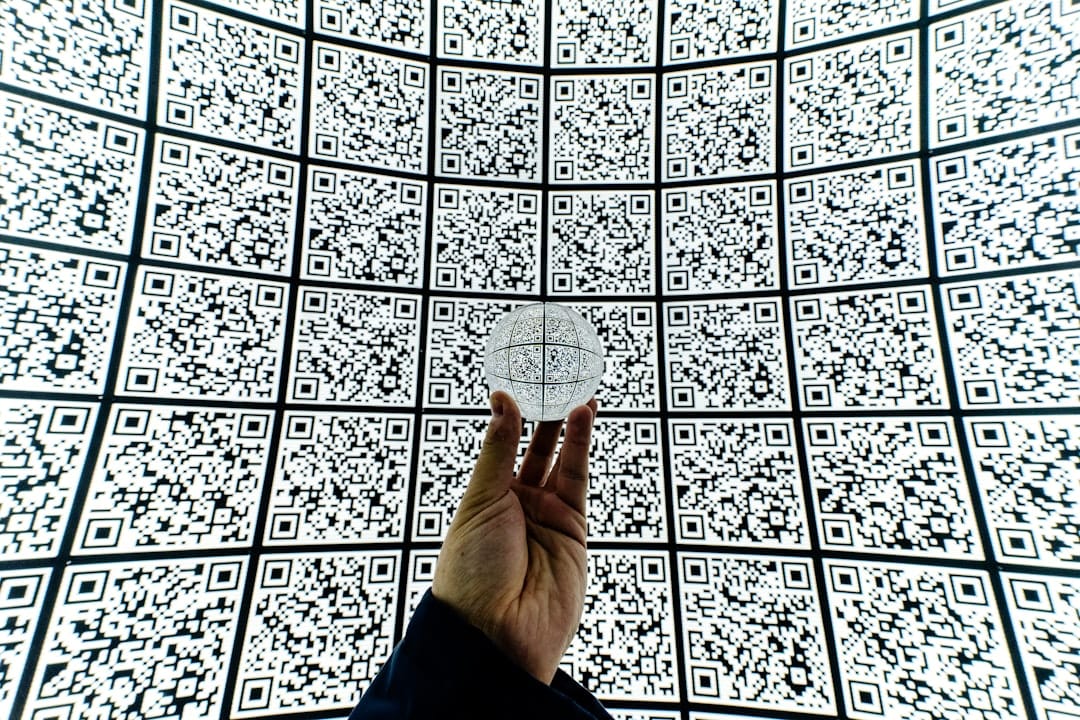
Introducing QR Code Summons: A Step Forward in Curbing Fake Notices
The Enforcement Directorate (ED) has taken a significant step in combating the proliferation of fake summons by introducing a new system that utilizes QR codes with a two-step verification process. This innovative approach aims to address the issue of fraudulent notices that have become increasingly common as scammers exploit people under the guise of legitimate summons.
Why the Change? Understanding the Problem
Instances of fake notices mimicking official ED summons have come to light, where individuals have been deceived into paying money or divulging sensitive information. These fraudulent activities are reminiscent of schemes depicted in popular media, such as the film "Special 26," where conmen pose as government officials to conduct fake raids.
The decision to implement QR code-based summons is a direct response to these threats, aiming to protect individuals from scams under the Prevention of Money Laundering Act, 2002, and the Foreign Exchange Management Act, 1999.
How QR Code Summons Work
To ensure authenticity and build public trust, all system-generated summons will now include a QR code and a unique passcode. This digital setup will be mandatory for issuing summons, except for rare exceptions. Each document will also carry the signature, stamp, and contact details of the issuing officer to provide additional verification.
Verification Methods
- QR Code Scan: Recipients can scan the QR code printed on the summons, which will redirect them to the ED’s official website. After entering the unique passcode, they will see a confirmation screen displaying the details of the summons, including the names of the summoned and the issuing officer, along with the date.
- Direct Entry: Alternatively, individuals can visit the ED website and use the 'Verify Your Summons' feature. By entering the summons number and unique passcode, they can confirm the document’s legitimacy.
Verification of the summons is available 24 hours after issuance, except during weekends and public holidays. In situations where a summons cannot be system-generated, recipients are advised to verify its authenticity through direct contact with the designated officer via phone or email.
Guarding Against Additional Scams
The ED has also issued a warning about scams involving so-called “Digital Arrests.” These fraudulent claims suggest that arrests can be conducted online, which the agency has categorically stated is false. All arrests must follow due procedure and occur in person, as stipulated by the Prevention of Money Laundering Act.
This clarification aims to prevent individuals from falling victim to scammers posing as Enforcement Directorate officers. The agency remains steadfast in its commitment to dismantling such fraudulent practices and urges citizens to remain vigilant.
Conclusion
By introducing QR code generators for summons, the ED is taking proactive measures to enhance the security and authenticity of its communications. This new system not only protects the public from fraud but also strengthens trust in the agency’s operations. As digital threats evolve, such innovations are crucial in safeguarding individuals from increasingly sophisticated scams.
In today's digital landscape, staying informed and cautious about such developments is essential. By understanding and utilizing these verification methods, individuals can better protect themselves against fraudulent activities.