Innovative QR Code System to Enhance Halal Product Authentication in Kyrgyzstan
Innovative QR Code System to Enhance Halal Product Authentication in Kyrgyzstan
Kyrgyzstan is embarking on an innovative journey to integrate QR code generator technology into the halal product sector. This initiative aims to digitalize the authentication process, ensuring transparency and trust for consumers who seek halal-certified goods. Almaz Kaiyrbekov, the Director of the Halal Industry Development Center, has outlined plans that promise to modernize how these products are verified and tracked.
Streamlining Halal Certification
In an age where digital transformation is reshaping industries, Kyrgyzstan's move to implement QR codes for halal products represents a significant leap forward. The primary goal is to streamline the halal certification process, making it easier and faster for businesses to authenticate their products. This shift towards digital solutions will likely reduce paperwork and eliminate manual errors, fostering efficiency in the supply chain.
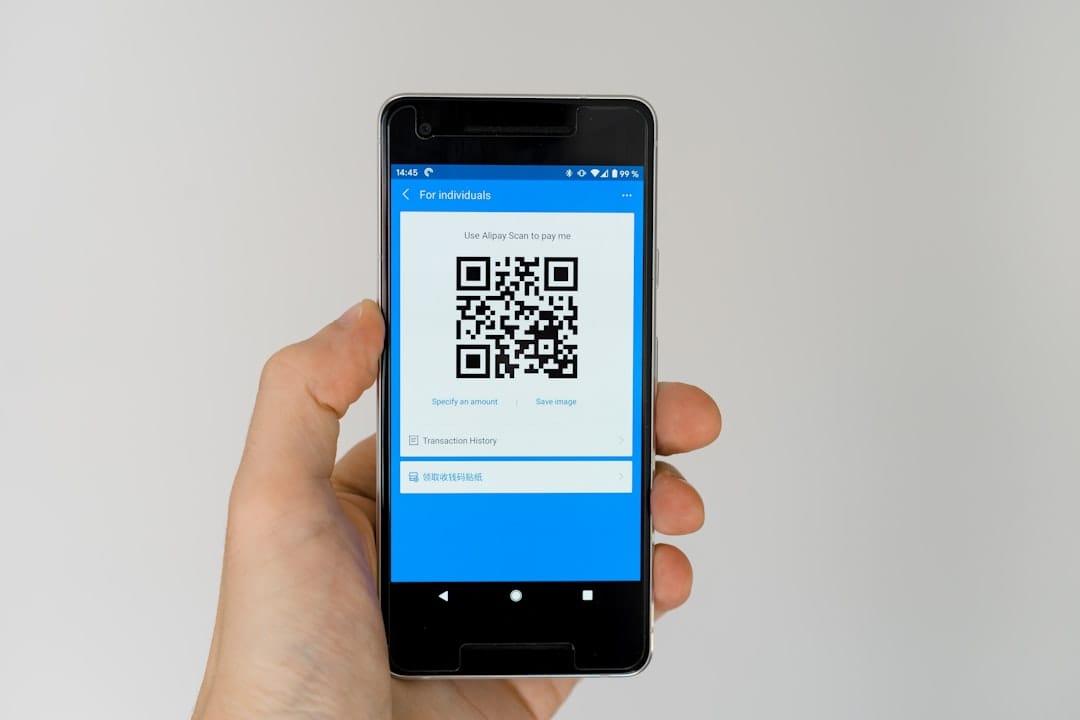
By integrating QR codes, consumers can quickly access detailed information about a product's halal status. Scanning a code with a smartphone provides immediate verification, including details about the certifying body and the product's journey from production to shelf.
Benefits for Consumers and Businesses
The introduction of QR codes in the halal industry offers numerous advantages for both consumers and businesses. For consumers, the system provides assurance and confidence in the authenticity of the products they purchase. With growing awareness and demand for halal products globally, this initiative aligns with consumer expectations for transparency and reliability.
Businesses stand to benefit significantly from this digitalization. The QR code system simplifies compliance with halal standards, potentially reducing the time and cost associated with obtaining certification. Moreover, it opens new avenues for marketing, as companies can showcase their adherence to high standards and appeal to a broader market segment.
Challenges and Considerations
While the advantages are clear, implementing a QR code system in the halal industry is not without challenges. One potential hurdle is ensuring widespread adoption and adherence among producers and retailers. To address this, the Halal Industry Development Center plans to provide training and support, helping stakeholders understand the benefits and functionality of the QR code system.
Another consideration is the technological infrastructure required to support this transition. Reliable internet access and smartphone penetration are crucial for the successful implementation of QR code verification. However, with continuous advancements in technology and increasing connectivity, these challenges are expected to diminish over time.
The Road Ahead
Kyrgyzstan's initiative is part of a broader global trend towards digitalization in the food and beverage industry. As more regions recognize the benefits of QR codes for product verification, the practice is likely to become standard. For Kyrgyzstan, this move could strengthen its position in the global halal market, attracting both local and international consumers.
The successful implementation of this system will require collaboration across various sectors, including technology, agriculture, and commerce. By working together, stakeholders can ensure the effective deployment of QR codes, fostering a more transparent and reliable halal certification process.
Ultimately, Kyrgyzstan's adoption of QR codes for halal products marks a significant step towards modernizing the industry. As consumers increasingly demand transparency and assurance, this initiative positions the country at the forefront of innovation, setting a standard for others to follow.