Innovations in Payment Systems: JR East and the Rise of QR Code Technology (Update)
Innovations in Payment Systems: JR East and the Rise of QR Code Technology
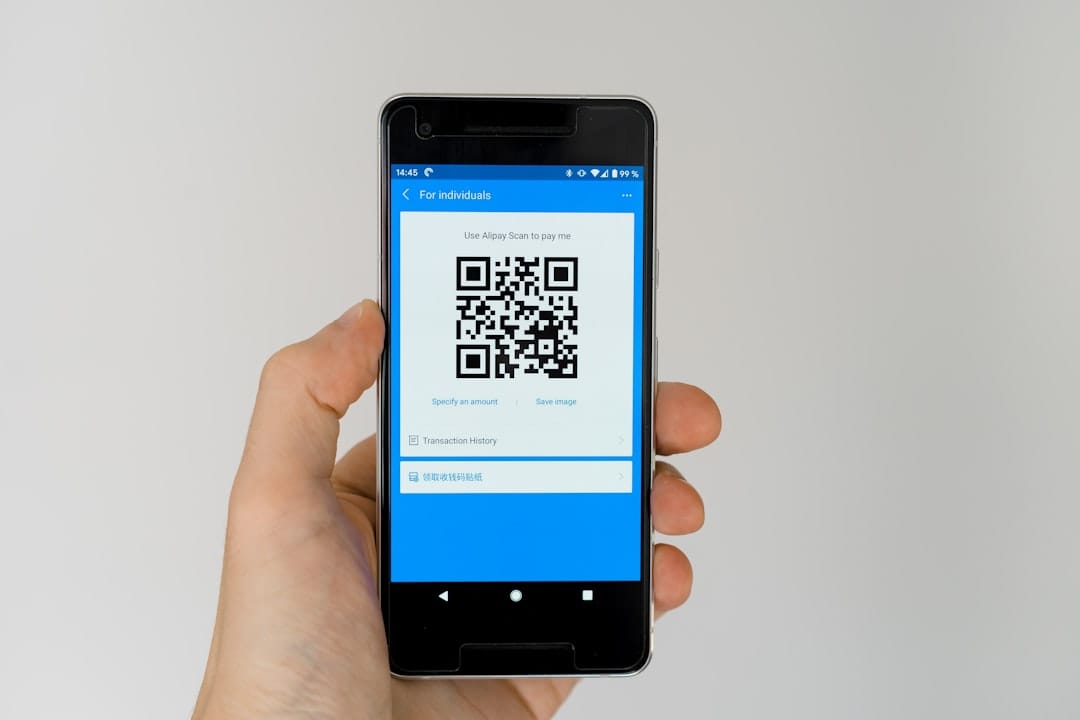
The digital landscape is continuously evolving, and with it, the methods through which payments are made. One significant development in the world of digital transactions is the introduction of QR code payments. JR East, a major railway company in Japan, is expected to incorporate QR code payments into its Suica app by 2026, marking a new era for public transport users.
The QR Code Revolution
QR codes, or Quick Response codes, have become a ubiquitous tool in the digital age. They offer a convenient way to store and share data quickly. From marketing to payment systems, the use of QR codes has permeated various sectors due to their versatility and ease of use.
The technology has been particularly transformative in the payment industry. By simply scanning a QR code with a smartphone, users can complete transactions without the need for cash or cards. This contactless payment method aligns well with the current demand for hygiene and efficiency.
JR East's Digital Leap
JR East's decision to integrate a QR code generator into its Suica app is a strategic move to enhance user experience. The Suica card is a staple for commuters in Japan, used for train fares and even small purchases at convenience stores. By enabling QR code payments, JR East aims to streamline the payment process, reducing the need for physical cards.
This development is expected to improve the efficiency of transactions and cater to a tech-savvy user base that prefers digital solutions. Moreover, it opens up possibilities for integrating more features into the Suica app, potentially allowing users to manage their travel and expenses more effectively.
Benefits of QR Code Payments
QR code payments offer several advantages that make them appealing to businesses and consumers alike:
- Convenience: With QR code payments, users only need their smartphones, eliminating the need for multiple cards or cash.
- Speed: Transactions are completed in seconds, significantly reducing queue times at busy locations.
- Security: QR codes can enhance security by minimizing physical contact and reducing the risk of card theft or fraud.
- Cost-Effective: For businesses, setting up QR code payment systems can be more affordable than installing traditional card payment terminals.
Challenges and Considerations
Despite their benefits, QR code payments are not without challenges. Security concerns are paramount, as QR codes can potentially be tampered with to redirect payments to malicious accounts. Users must remain vigilant and ensure they are scanning legitimate codes.
Additionally, while QR code payments are gaining popularity, there is still a segment of the population unfamiliar with using them, which could slow adoption rates. Education and awareness campaigns can help bridge this gap, ensuring a smooth transition to this modern payment method.
Global Trends and Future Outlook
Globally, the adoption of QR code payments is on the rise. In countries like China and India, QR codes have become a staple in everyday transactions, from small market purchases to larger retail settings. This trend is steadily catching on in other parts of the world, driven by the push towards cashless societies.
For companies like JR East, embracing QR code technology is not just a leap into modern payment solutions but also a step towards enhancing customer convenience and operational efficiency. As more businesses adopt this technology, the potential for widespread change in consumer payment habits grows.
In conclusion, the integration of QR code payments into systems like the Suica app is a harbinger of further technological advancements in public transport and beyond. As we look to the future, it's clear that QR codes are more than just a passing trend; they represent a fundamental shift in how we conduct everyday transactions.
As these systems continue to develop, the emphasis will remain on ensuring security, ease of use, and accessibility for all users. Keep an eye out, as the world of payments is only going to get more exciting.