Innovations and Trends in QR Code Technology
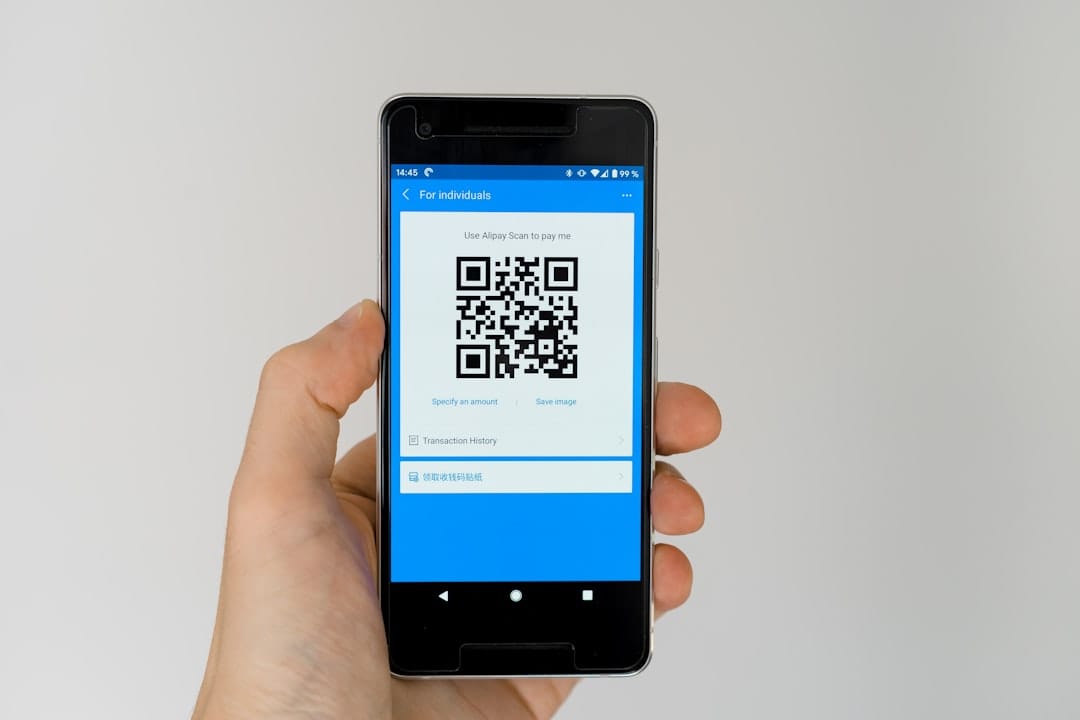
Innovations and Trends in QR Code Technology
QR codes have become a ubiquitous part of modern life, appearing in everything from marketing materials to restaurant menus. Their ease of use and versatility make them a valuable tool for both businesses and consumers. As technology continues to evolve, so does the functionality and application of QR codes.
The Rise of QR Codes
Originally developed in Japan for tracking automotive parts, QR codes have transcended their original purpose. They gained significant popularity during the COVID-19 pandemic, offering a contactless way to access information and services. This adoption has expanded their usage across various industries, embedding them into everyday experiences.
Applications Across Industries
QR codes are now used extensively in retail, allowing customers to access product information and special offers effortlessly. Additionally, they enhance the dining experience by providing digital menus, which are easily updated without the need for printing costs. Museums and exhibitions use QR codes to offer detailed information about displays, enriching the visitor experience.
In the healthcare sector, QR codes streamline processes by linking to medical records, appointment schedules, and vaccination status. This technology improves both efficiency and patient experience. Educational institutions utilize QR codes to distribute resources, enabling students to access materials quickly and conveniently.
Advanced Features of QR Codes
As technology advances, so do the capabilities of QR codes. Today's codes can be customized with logos and colors, enhancing brand recognition. Dynamic QR codes allow for the information to be updated without changing the code itself, providing flexibility for marketers and service providers.
Security and Privacy Considerations
With great convenience comes the need for caution. Security is a significant concern, as malicious QR codes can direct users to harmful websites. To mitigate risks, users should only scan codes from trusted sources. Organizations can enhance security by using encrypted QR codes and educating consumers on safe scanning practices.
Creating Your Own QR Codes
Creating a QR code is a straightforward process thanks to various online tools. A reliable QR code generator allows users to create customized and dynamic codes suited to their specific needs. These tools often offer analytics to track engagement and effectiveness, providing valuable insights for businesses.
- Choose a QR code generator that offers customization options.
- Decide on the type of content you wish to link to, such as a website or contact information.
- Design your QR code, incorporating brand colors and logos if desired.
- Test the QR code to ensure it directs users to the correct destination.
- Deploy and monitor usage to optimize your strategy.
Future Prospects for QR Codes
The future of QR code technology looks promising. Their integration with augmented reality (AR) and artificial intelligence (AI) offers exciting possibilities. QR codes could soon provide interactive experiences, making educational content more engaging or enhancing virtual shopping experiences.
As technology continues to advance, the adaptability of QR codes ensures their relevance. They will likely remain a crucial component in bridging the digital and physical worlds, offering innovative solutions to everyday challenges.
Conclusion
QR codes have firmly established themselves as a versatile tool in the digital age. Whether simplifying transactions, connecting users with detailed information, or providing interactive experiences, their applications are virtually limitless. As we look to the future, embracing the potential of QR codes will undoubtedly open up new opportunities for innovation and engagement.