How to Verify the Legitimacy of a QR Code
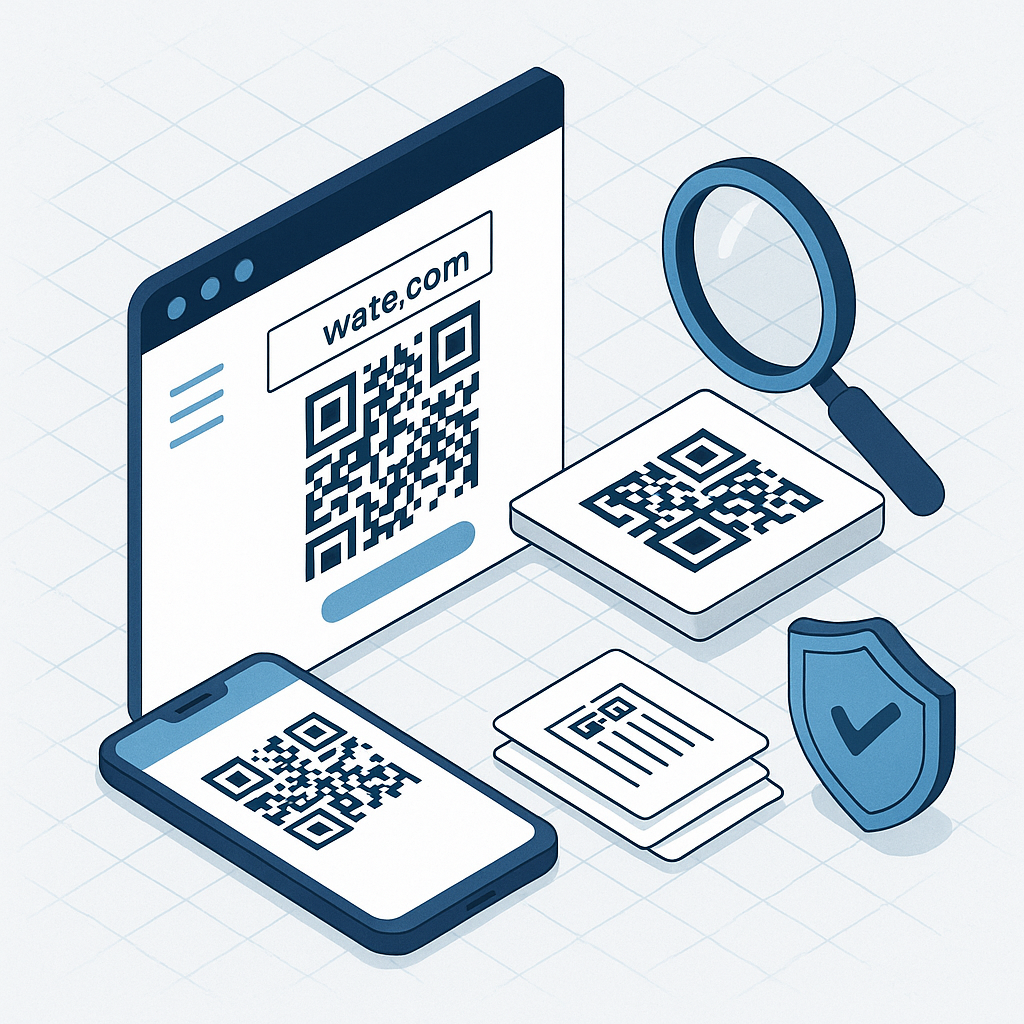
How to Verify the Legitimacy of a QR Code
In the digital age, QR codes have become ubiquitous, appearing on everything from advertisements to museum exhibits. These small, square codes offer an easy way to access information, websites, and services on our smartphones. However, as their use has grown, so have concerns about their security and legitimacy. Recently, a QR code on a fundraiser flyer from the Jefferson County Rescue Squad raised questions among residents about whether it was genuine.
Understanding QR Codes
QR codes function as gateways to digital content, quickly directing users to a webpage or online service when scanned with a smartphone. They provide a seamless way to share information, but their very simplicity can be exploited by malicious actors.
Ensuring the Authenticity of a QR Code
Here are some steps you can take to assess whether a QR code is legitimate:
- Inspect the physical code: Be aware that cybercriminals may tamper with legitimate QR codes by placing a fake sticker over them. Always check for signs of tampering or damage.
- Source verification: Only scan QR codes from trusted sources. This includes codes found in official communications, such as flyers from established organizations like the Jefferson County Rescue Squad.
- Use a dedicated app: Consider using a dedicated QR code generator or scanner app instead of your phone's default camera app. These apps often have security features that warn you about suspicious links.
- Trust your instincts: If a QR code looks suspicious or out of place, it's best to err on the side of caution and not scan it.
Case Study: Jefferson County Rescue Squad
The Jefferson County Rescue Squad, a volunteer organization that provides essential services such as search and rescue operations, recently embarked on a fundraising drive. As part of their campaign, they sent out flyers to local residents, each featuring a QR code at the bottom.
This QR code was designed to direct users to a secure payment site for donations. However, given the frequency of QR code scams, it’s understandable that some residents were concerned. Upon review, the code was verified as legitimate, leading directly to the intended secure donation page. The organization assured donors of its authenticity by including their contact information beside the code, allowing anyone with questions to reach out for confirmation.
QR Code Security Tips
With the rise in QR code usage, it's vital to remain vigilant. Here are a few additional precautions you can take:
- Cross-check information: Before scanning, verify any related details such as contact numbers or addresses through official channels.
- Avoid scanning in public: Public places can be hotspots for QR code manipulation. If you're unsure, wait until you're in a safe environment to scan the code.
- Stay informed: Keep abreast of new QR code-related scams and adjust your habits accordingly.
Conclusion
QR codes are a convenient tool for accessing digital content, but they come with potential security risks. By following these guidelines and staying informed about potential threats, you can use QR codes safely. Remember, when in doubt, verify the source and trust your instincts. As demonstrated by the Jefferson County Rescue Squad, transparency and verification go a long way in ensuring that QR codes are used effectively and securely.
For more information on creating and managing secure QR codes, consider using a reliable QR code generator.