How to Stay Safe from QR Code Scams (Update)
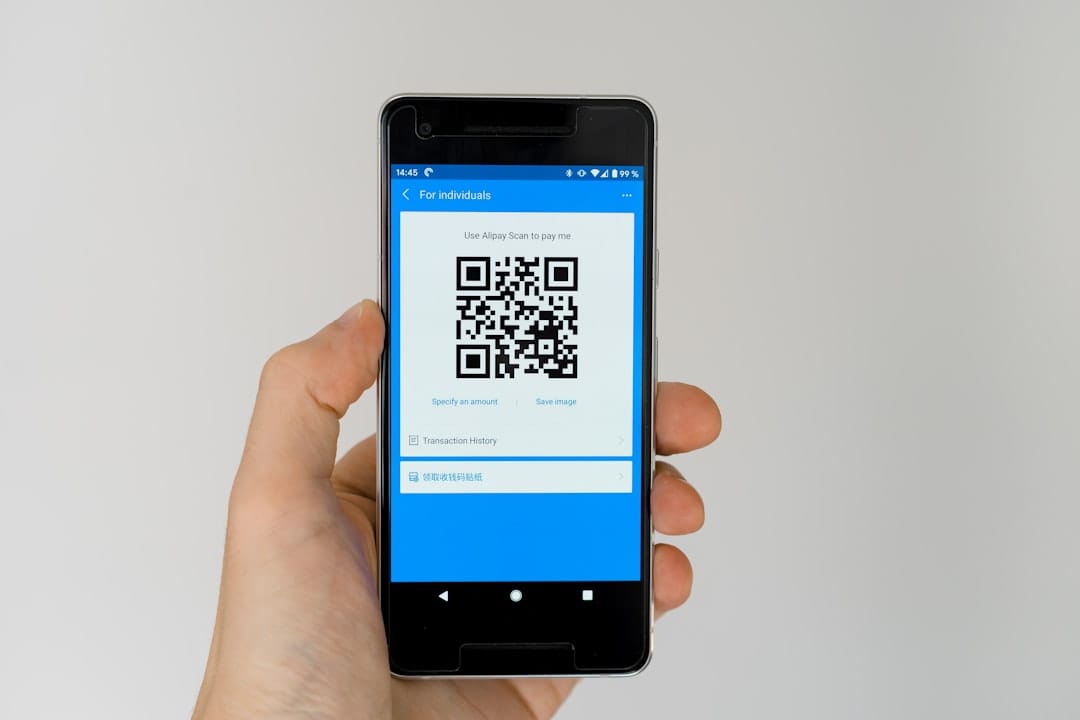
How to Stay Safe from QR Code Scams
QR codes have become a ubiquitous part of modern life, appearing everywhere from restaurant menus to parking meters. While their convenience is undeniable, recent trends indicate a growing threat associated with their use: scams designed to exploit the unsuspecting. Understanding how these scams work and how to protect yourself is crucial in today’s digital world.
Understanding QR Code Scams
Scammers have identified QR codes as a potent tool for deception, leveraging the public’s trust to steal both money and personal information. This form of cyber threat, often referred to as "quishing," is on the rise. It involves creating fake QR codes that, when scanned, direct users to malicious websites. These sites can capture sensitive information or install harmful software on devices without the user’s knowledge.
Real-World Concerns
People in Las Vegas and beyond are beginning to notice these risks. Take, for example, Steven Smith’s observation, “Even at restaurants, they’ll have a QR code on the menu, but the menu’s right there, so why do I need to scan it?” This skepticism is well-founded. In another instance, Kayla Mercado recounts a troubling experience where a friend’s personal information was compromised via a QR code at a food truck.
How Scammers Operate
The Federal Trade Commission has issued warnings about fake QR codes being placed on package labels, parking meters, and payment notices. These counterfeit codes often redirect users to fraudulent websites, which can lead to data theft or malware infections. The expertise of cybersecurity professionals like James Chatwani highlights the primary danger: the deceptive simplicity of QR codes.
“Attackers prey on convenience,” Chatwani explains. Unlike phishing emails, which might be recognized by typos or suspicious sender addresses, QR codes are simply images. This makes it incredibly difficult for users to discern whether a code is legitimate. Chatwani advises vigilance, suggesting a careful examination of QR codes before scanning them. If a QR code appears to have been altered, such as a sticker covering another, it’s a red flag that shouldn’t be ignored.
Best Practices for QR Code Safety
So, what can you do to protect yourself from these scams? Here are several practical steps:
- Examine the QR Code: Before scanning, look for any signs of tampering. A sticker placed over another code is a strong indicator of foul play.
- Verify the Source: Ensure that the QR code originates from a trusted source. If the code is on a flyer or sign, consider whether it seems credible.
- Check the Link: Always preview the web address a QR code directs you to before entering any personal information. If unsure, do not proceed.
- Use Official Websites: Whenever possible, type in the official web address instead of relying on a QR code.
If you remain unsure about a QR code's legitimacy, it’s best not to scan it. Being cautious is far better than dealing with the fallout of a scam.
The Role of a QR Code Generator
For businesses and individuals seeking to create QR codes, using a reliable QR code generator is essential. Such tools ensure that your QR codes are secure and trustworthy, reducing the risk of them being compromised.
Staying Informed and Vigilant
As QR code scams become more prevalent, staying informed is crucial. By understanding how these scams operate and adopting safety measures, you can protect yourself and your data. Remember, while QR codes offer convenience, they also require a vigilant approach to ensure your security in our increasingly digital world.