How to Protect Yourself from QR Code Scams (Update)
How to Protect Yourself from QR Code Scams
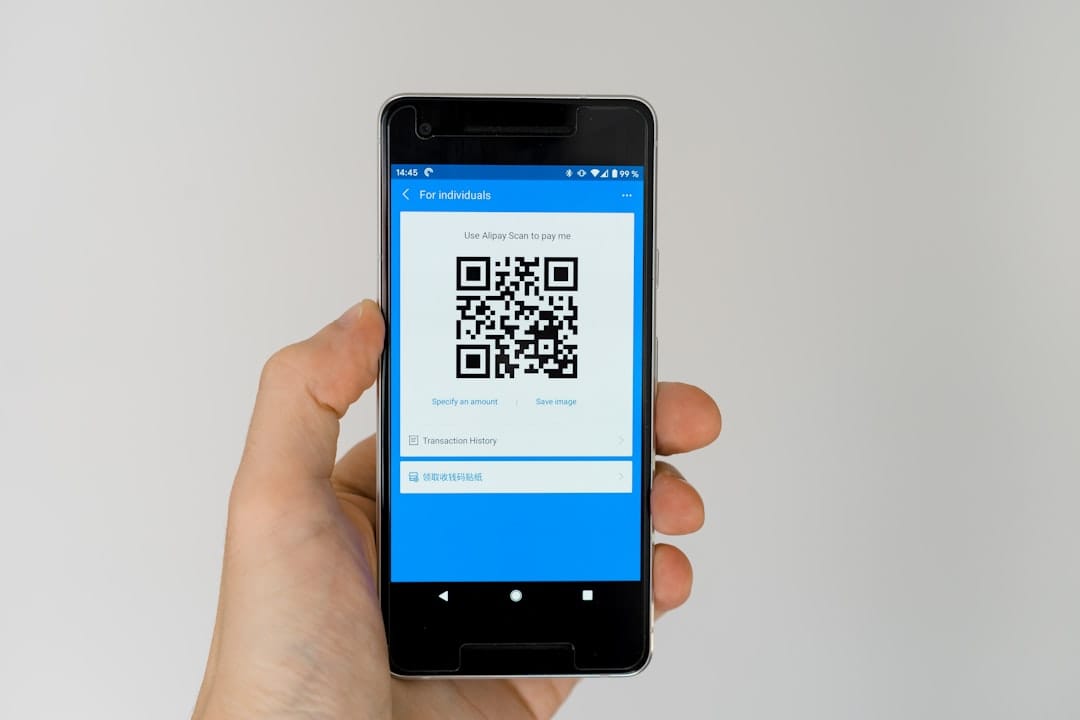
In today’s digital age, QR codes have seamlessly integrated into our daily lives. From simplifying restaurant menus to providing easy access to event tickets, these compact, square barcodes offer a world of convenience. However, their ease of use can come with hidden risks. Scammers are increasingly exploiting QR codes to deceive unsuspecting consumers and access sensitive information. One alarming trend involves embedding QR codes on unexpected packages to lure individuals into visiting fraudulent websites or downloading harmful malware.
Understanding the Scam
Imagine receiving a package you never ordered. It might appear to come from a reputable retailer or a well-known shipping company. The package label includes a QR code with a prompt to scan for more information, such as tracking details or delivery confirmation. The issue arises when you scan the code—it directs you to a deceptive website designed to extract your personal information, such as your name, address, credit card details, or login credentials. In some cases, merely scanning the code can trigger a malware download, compromising your device.
Scammers favor this tactic because QR codes mask the destination link. Unlike traditional URLs, you cannot discern where a QR code will lead until after you’ve scanned it. This attribute enables fraudsters to easily disguise harmful links as innocuous ones.
Why Scammers Target QR Codes
QR codes are ubiquitous and typically trusted by consumers. Businesses employ them for a variety of legitimate purposes, including contactless payments, loyalty programs, and product information. Scammers exploit the trust people place in QR codes, banking on the fact that consumers are less likely to question a QR code than a suspicious email link.
Warning Signs
- Receiving a package you did not order or anticipate.
- A QR code instructing you to scan for delivery updates or prize claims.
- Requests for personal or financial information following a scan.
- Poor grammar or unusual wording on the package label or website.
Steps to Protect Yourself
Avoid Scanning Unverified QR Codes
If you receive a package you were not expecting, treat it with suspicion. Refrain from scanning any QR codes on such packages as they could be part of a scam.
Verify with the Sender
If the package claims to be from a known retailer or shipping company, reach out to them directly using official contact details. Avoid using any contact information from the suspicious package label.
Examine the Packaging
Inspect the label carefully for signs of tampering or generic language. Legitimate shipping labels should have clear, detailed information about both the sender and the recipient.
Exercise Caution with All QR Codes
Before scanning any QR code, ensure its source is trustworthy. If you receive a QR code via email, text, or on a printed notice, pause to consider its authenticity before proceeding.
The Bottom Line
While QR codes are incredibly useful, they are not without risks. Scammers rely on hasty decisions and quick actions from their targets. It is crucial to slow down, verify the source, and protect your personal information. If something seems off, trust your instincts and avoid scanning.
For additional security, consider using a QR code generator to create and verify safe QR codes for personal or business use.
By staying informed and vigilant, you can enjoy the benefits of QR codes while minimizing the associated risks. Remember, it's better to be cautious and secure than to fall victim to a scam.