Exploring the Growing Impact of QR Codes in Modern Society
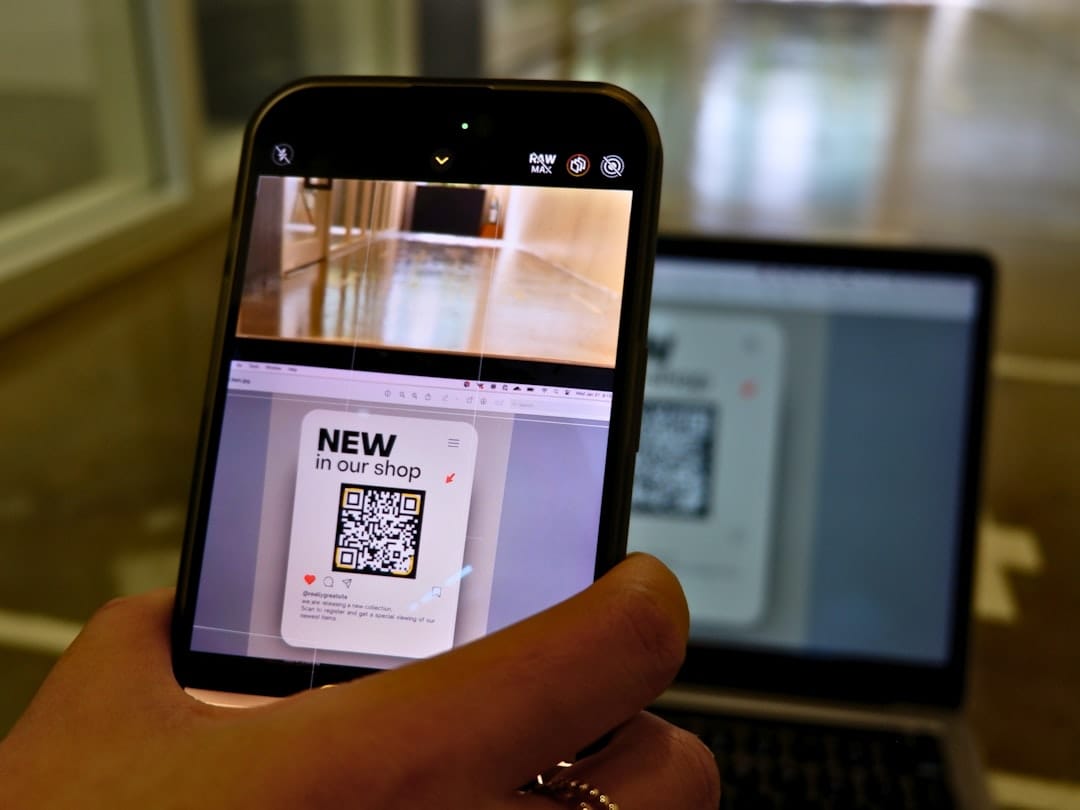
Exploring the Growing Impact of QR Codes in Modern Society
In recent years, QR codes have been surging in popularity and usage, becoming an integral part of the digital landscape. Originally developed in the 1990s for tracking automotive components, these two-dimensional barcodes have found new life in a wide array of applications. With the rise of smartphones and the demand for touchless interactions, QR codes have transitioned from obscurity into everyday convenience. But what exactly are these codes, and how have they managed to integrate so seamlessly into our daily lives?
Understanding QR Codes
QR codes, short for Quick Response codes, are essentially a type of matrix barcode that can hold a significant amount of data accessible with a simple scan. Unlike traditional barcodes, which contain information in horizontal lines, QR codes store data both horizontally and vertically. This structure allows them to encapsulate much more information, making them versatile tools for various industries.
How QR Codes Work
The process of using a QR code is straightforward. A user simply needs to point a QR code reader or a smartphone camera at the code, and the embedded information becomes instantly accessible. This information can range from website URLs and contact details to multimedia and more complex datasets. It is this ease of access that has driven their widespread adoption.
The Applications of QR Codes
The versatility of QR codes makes them suitable for numerous applications. Here are some of the sectors where QR codes have made a significant impact:
- Marketing and Advertising: By scanning a QR code, consumers can access promotional materials, discount offers, and product information seamlessly.
- Retail and E-commerce: QR codes simplify inventory management, provide product details, and facilitate contactless payments.
- Hospitality and Travel: Hotels and airlines use QR codes for check-ins, boarding passes, and facility access.
- Healthcare: Patient information, appointment schedules, and medical records can be securely accessed through QR codes.
- Education: QR codes enhance learning by linking to additional resources, such as videos, articles, and interactive content.
The Rise of Touchless Technology
The recent global emphasis on health and safety has accelerated the adoption of touchless solutions, with QR code generator tools becoming essential. They offer a hygienic alternative to traditional methods, enabling interactions without physical contact. Restaurants, for instance, have adopted QR codes for digital menus, reducing the need for shared physical copies.
Benefits of QR Codes
Beyond their touchless nature, QR codes offer numerous benefits:
- Cost-Effectiveness: QR codes are inexpensive to produce and can be printed on various surfaces, including paper and digital screens.
- Space Efficiency: They store a wealth of information without taking up much physical space.
- Ease of Use: QR codes are user-friendly and require minimal effort to scan and access information.
- Versatile Applications: They can be customized to fit diverse needs and integrated with different technologies.
Challenges in QR Code Adoption
Despite their advantages, QR codes face certain challenges. Privacy concerns arise from the potential misuse of personal data through QR code scans. Users need to remain cautious and verify the source before scanning unfamiliar codes. Moreover, not all users are tech-savvy, which can hinder widespread adoption, particularly among older demographics.
The Future of QR Codes
The future looks promising for QR codes as they continue to evolve and integrate with emerging technologies. With ongoing developments in augmented reality and the Internet of Things, QR codes could become even more interactive and dynamic. Their ability to bridge the gap between the physical and digital worlds keeps them relevant in an ever-changing tech landscape.
As businesses and individuals seek efficient and accessible solutions, the role of QR codes is expected to expand further. Whether it’s enhancing consumer engagement or streamlining operations, QR codes have proven their worth as a powerful tool in the digital age.
In conclusion, QR codes have transformed from a niche technology to a mainstream utility, driven by their simplicity and versatility. As the demand for digital and contactless solutions grows, QR codes will likely remain a staple in the toolkit of modern technology.