Experience Mysuru's Heritage with QR Code Technology
Experience Mysuru's Heritage with QR Code Technology
Mysuru, a city renowned for its historical landmarks, has embraced digital innovation to enhance tourism. By implementing QR code portals at 33 major tourist attractions, Mysuru aims to offer an enriched visitor experience. This initiative facilitates easy access to detailed information about the city's rich cultural and historical sites, including the famed Mysuru Palace and Chamundi Hills.
Digital Transformation at Key Attractions
The Department of Tourism in Mysuru has launched a groundbreaking project to integrate technology into the tourism landscape. Visitors can now scan QR codes at prominent sites to uncover in-depth details about the landmarks. Such places include the majestic Mysuru Palace, the iconic Chamundi Hills, the captivating Rail Museum, and the celebrated residence of the author R.K. Narayan in Yadavagiri.
These digital portals aim to provide a comprehensive understanding of each site's historical, cultural, and heritage significance. With a simple scan, tourists can delve into the stories and backgrounds of these sites, making their visit more informative and memorable.
Beyond the Famous Landmarks
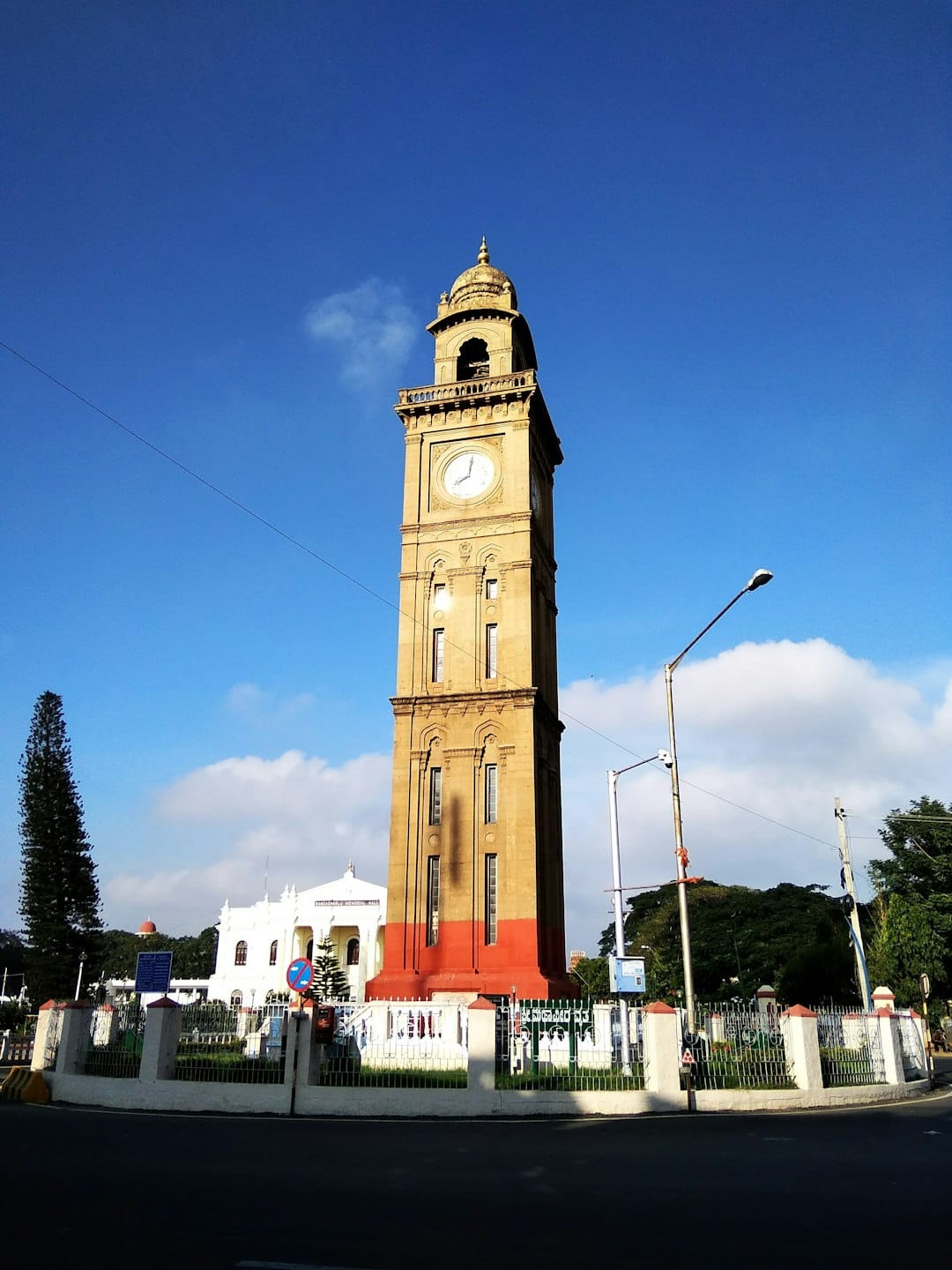
The QR code initiative extends beyond the popular tourist attractions to include a variety of must-see spots in and around Mysuru. Tourists can now access detailed information about the Mysuru Zoo, Shukavana in Avadootha Datta Peetam, the Silver Jubilee Clock Tower, and the Oriental Research Centre. Additionally, religious and heritage sites such as the Srikanteshwara Temple and temples in Talakadu are part of this digital outreach. These QR codes offer insights into the spiritual and architectural importance of these sites.
A Wealth of Information at Your Fingertips
The QR code system provides a wealth of information, including maps, cultural facts, and historical contexts. This system ensures travelers have the latest details about these tourist spots, helping them stay informed about any changes or events. The multilingual accessibility of the information ensures that content is available in various languages like Kannada, English, Hindi, Malayalam, Tamil, and Telugu. This inclusivity makes Mysuru a welcoming destination for a diverse audience.
Features and Future Plans
One standout feature of this system is the ability to save information for future reference. By allowing visitors to bookmark intriguing historical or cultural facts, the QR codes add value to the tourist experience. Additionally, these codes can be shared with friends and family, enabling them to virtually explore Mysuru's attractions before visiting.
The introduction of QR codes is a crucial component of the state's broader strategy to enhance Mysuru's tourism offerings. The tourism department, led by Assistant Director BM Prabhuswamy, plans to expand this initiative further. Future projects include additional tourist sites, and the introduction of virtual and audio tours will augment the visitor experience using digital media.
Embracing Digital Tourism
This digital leap aligns with the global trend of incorporating technology in travel and tourism services. With smart travel tools on the rise, Mysuru stays at the forefront of innovation, ensuring a seamless and informative experience for visitors. By embracing such transformations, Mysuru positions itself as a modern and tech-savvy tourist destination.
Ultimately, Mysuru’s new QR code initiative revolutionizes how tourists interact with the city's landmarks. By offering easy access to detailed information, multilingual support, and the latest updates, tourists can explore Mysuru's heritage more conveniently and enjoyably. As more travelers seek interactive ways to engage with their destinations, initiatives like this QR code system become essential components of tourism strategies worldwide.
For those interested in experiencing Mysuru's unique blend of technology and tradition, the QR code generator integration offers an exciting way to enhance your cultural journey.