Enhancing Medicine Accessibility with Braille Labels and Audio QR Codes
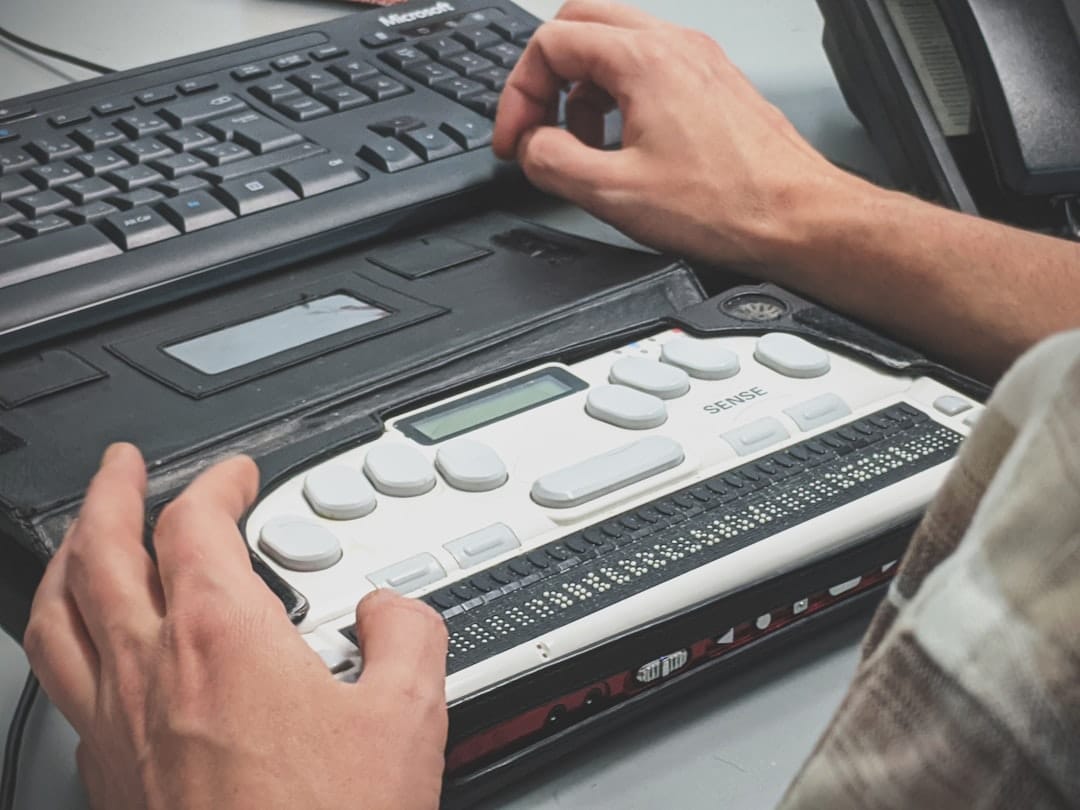
Enhancing Medicine Accessibility with Braille Labels and Audio QR Codes
In an ambitious move to enhance accessibility for visually impaired individuals, India's drug regulatory authority is considering the inclusion of braille labels and voice-assisted QR codes on medicine packaging. This initiative comes in response to requests from various groups, highlighting the challenges faced by those with visual impairments in identifying medications.
Addressing the Challenges Faced by the Visually Impaired
For individuals who are blind or have severe visual impairments, reading the names and expiry dates of medicines can be a daunting task. Many rely on assistance from others, which can sometimes lead to errors or delays. Recognizing these challenges, it has been proposed that drug packaging be enhanced with braille inscriptions to better serve this community.
The initiative to incorporate braille on medicine packaging has been discussed since 2020, when the Drugs Consultative Committee recommended forming a sub-committee to investigate the issue further. This sub-committee concluded that implementing braille labels could significantly ease the process of medication identification for visually impaired people.
The Role of QR Codes in Enhancing Accessibility
In addition to braille, the use of audio-equipped QR code generator technology is being explored. By scanning these QR codes with a smartphone, users could receive audible information about the medicine, including its name, dosage, and expiry date. This technological solution aims to provide greater independence for visually impaired individuals when managing their medication.
QR codes represent a flexible and widely accessible solution. With the widespread use of smartphones, implementing voice-assisted QR codes on medication packaging could transform the way visually impaired individuals interact with their prescriptions. This approach not only leverages existing technology but also offers a scalable option that can be implemented across various drug products.
Implementation Strategy and Public Feedback
To ensure the effectiveness and practicality of these measures, the regulatory body has invited public comments. This feedback will help refine the proposals and gauge the readiness of the pharmaceutical industry to adopt these changes. Initially, the implementation of braille labels and QR codes may be on a voluntary basis, particularly for medications packaged in single-unit cartons.
The regulatory authority's openness to public consultation reflects a commitment to developing solutions that truly meet the needs of the visually impaired. By engaging with stakeholders and consumers, the authority can better understand the real-world implications of these proposed changes and adjust strategies accordingly.
Looking Ahead: A More Inclusive Future
While the journey towards fully accessible medication packaging is just beginning, these proposed changes mark a significant step forward. As technology continues to evolve, further innovations may emerge to enhance accessibility for all individuals, regardless of their physical capabilities.
The integration of braille labels and audio QR codes on medicine packaging exemplifies a broader trend towards inclusivity and accessibility in healthcare. By prioritizing the needs of the visually impaired, the regulatory body is not only improving health outcomes but also promoting autonomy and dignity for a significant portion of the population.
Ultimately, this initiative has the potential to set a precedent for how other countries address similar challenges in the healthcare sector. As India moves towards a more inclusive healthcare system, the global community will undoubtedly watch with interest, possibly inspiring similar measures worldwide.