Enhancing Community Access to Resources with QR Codes in North Charleston
Enhancing Community Access to Resources with QR Codes in North Charleston
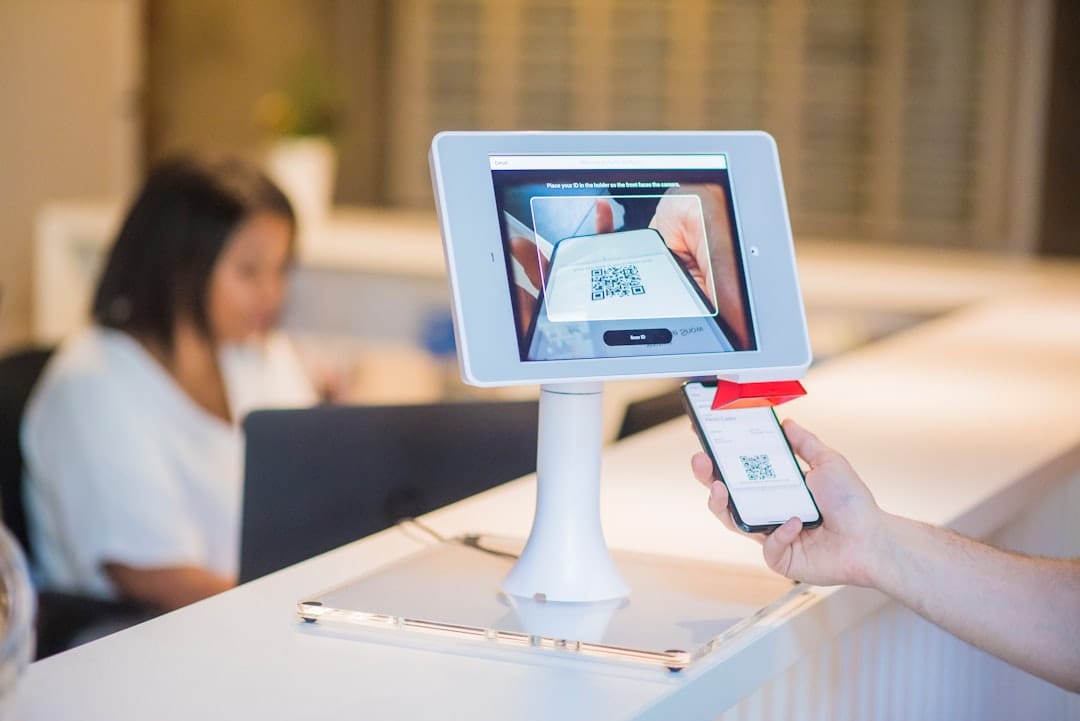
In an innovative move to improve access to community resources, North Charleston has rolled out an initiative incorporating QR codes at bus stops along Rivers Avenue. This initiative aims to connect residents swiftly and efficiently to essential services, with signs strategically placed to maximize reach and utility.
How the System Works
Each QR code acts as a gateway, directing users to Trident United Way’s helpline. This helpline offers 24/7 confidential support, linking individuals to a wide array of resources such as stable housing, food assistance, and employment services. It's a streamlined solution to help those in need find support when they need it most.
The Role of Bus Stops
The decision to place these QR codes at bus stops is intentional. These locations are accessible to a broad segment of the population, ensuring that anyone seeking assistance can easily find it. According to City Homeless Coordinator Brandon Lilienthal, this direct approach simplifies the process of locating essential resources.
Implementing the Pilot Program
The concept for this pilot program began taking shape about a year ago. City leaders, alongside various nonprofit organizations, have been collaborating to bring this idea to fruition. They are now working to expand the program by adding eight more sign locations along the roadway in North Charleston. This expansion will help in identifying which areas have the greatest need for services.
Data-Driven Insights
Each bus stop features its unique QR code, allowing the team to gather data on usage. As Lilienthal points out, tracking how many individuals scan the codes at each location provides valuable insights. This data helps determine which areas are most in need of further support and resources.
Addressing Community Needs
The initiative emerged from discussions in a monthly roundtable meeting focused on community needs. With input from nonprofit organizations like Trident United Way, the program addresses a growing demand for support services. Natasha Chatman, a chief impact officer at the nonprofit, highlights the increasing need for affordable services, noting a significant rise in hotline usage over the past year.
Many of those seeking assistance are everyday community members—individuals we see, work with, and interact with daily. Chatman emphasizes that these are not faceless statistics but real people striving to maintain stability in challenging circumstances.
Strengthening Families and Communities
This effort is part of the nonprofit’s broader “Strong Families, Strong Communities” initiative. It focuses on families that are Asset Limited, Income Constrained, and Employed (ALICE), working to enhance financial security through expanded resource availability.
Future Expansion Plans
The success of this initiative has spurred interest in expanding the program beyond North Charleston. There are plans to collaborate with surrounding municipalities to further extend the benefits of this resourceful system.
By leveraging technology such as a QR code generator, North Charleston is setting a precedent for community-driven solutions that effectively bridge gaps in resource accessibility. This program highlights the power of collaboration and innovation in meeting the needs of the community.