Enhancing Accessibility: NaviLens QR Codes Guide Visually Impaired New Yorkers
Enhancing Accessibility: NaviLens QR Codes Guide Visually Impaired New Yorkers
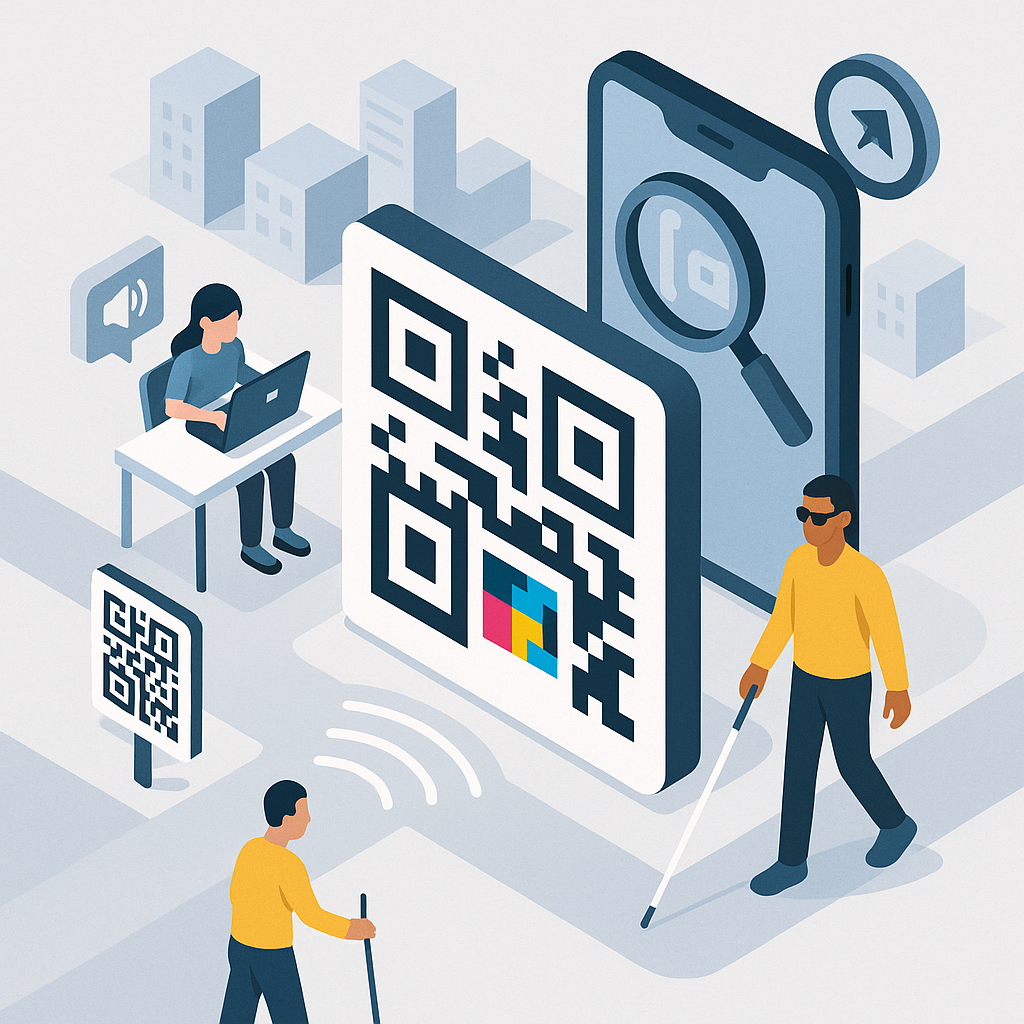
New York City, renowned for its complex and bustling subway system, has taken a significant step forward in enhancing accessibility for visually impaired commuters. Enter NaviLens, an innovative solution that employs colorful QR codes to provide real-time navigation support for individuals who may face challenges in navigating the city's transit systems.
The Role of NaviLens in NYC's Subway System
The introduction of NaviLens QR codes in subway stations across Manhattan and the Bronx is a remarkable move towards inclusivity. These vibrant codes, when scanned with a smartphone, unlock a wealth of information via the NaviLens app, offering audio guidance on subway and bus schedules, station layouts, and more. The app's purpose is to make commuting more manageable and less stressful for those with visual impairments.
How NaviLens Works
One of the standout features of the NaviLens system is its ease of use. Unlike traditional QR codes, these do not require precise focus from a smartphone camera to be scanned. This unique technology allows users to capture the code from a distance and at various angles, making it exceptionally user-friendly for those with limited vision.
The app supports 39 languages and automatically syncs with the user's phone language settings, ensuring accessibility for a diverse population. This adaptability is crucial in a multicultural city like New York.
Beyond Navigation: Additional Features
In addition to the core NaviLens app, there is NaviLensGO, a version designed to cater to a broader audience. This app provides detailed visual information about the transit systems, including updates on service disruptions and accessibility features such as elevators and escalators at different stations. This dual app approach ensures that both visually impaired and sighted commuters can benefit from the system.
Feedback and Continuous Improvement
As with any innovative solution, user feedback is essential for ongoing improvement. Commuters using the NaviLens system are encouraged to share their experiences and suggestions, contributing to the refinement and expansion of the service. The aim is to continually enhance the user experience and address any challenges that may arise.
The Broader Impact of Accessible Transit
Implementing NaviLens QR codes in the subway system is more than just a technological advancement; it's a step towards inclusivity and equality. By providing visually impaired individuals with the tools to navigate the city independently, New York City is fostering a more inclusive environment where everyone can engage fully in daily life.
Innovations like NaviLens highlight the importance of leveraging technology to bridge gaps and create a more equitable society. As the system continues to evolve, it sets a precedent for other cities to follow in enhancing accessibility through similar initiatives.
Looking Ahead
While NaviLens QR codes currently operate in select Manhattan and Bronx stations, the potential for expansion is vast. As more stations adopt this technology, the goal is for all commuters, especially those with disabilities, to experience seamless and stress-free journeys.
This initiative is a testament to the power of technology to transform urban living. For those interested in exploring how QR codes can be utilized in various settings, consider using a QR code generator to create tailored solutions for your needs.
As New York City continues to embrace technological innovations, the hope is that these advancements will lead to a more connected and accessible future for all residents and visitors alike.