Emerging QR Code Quishing Threats Target Microsoft Users (Update)
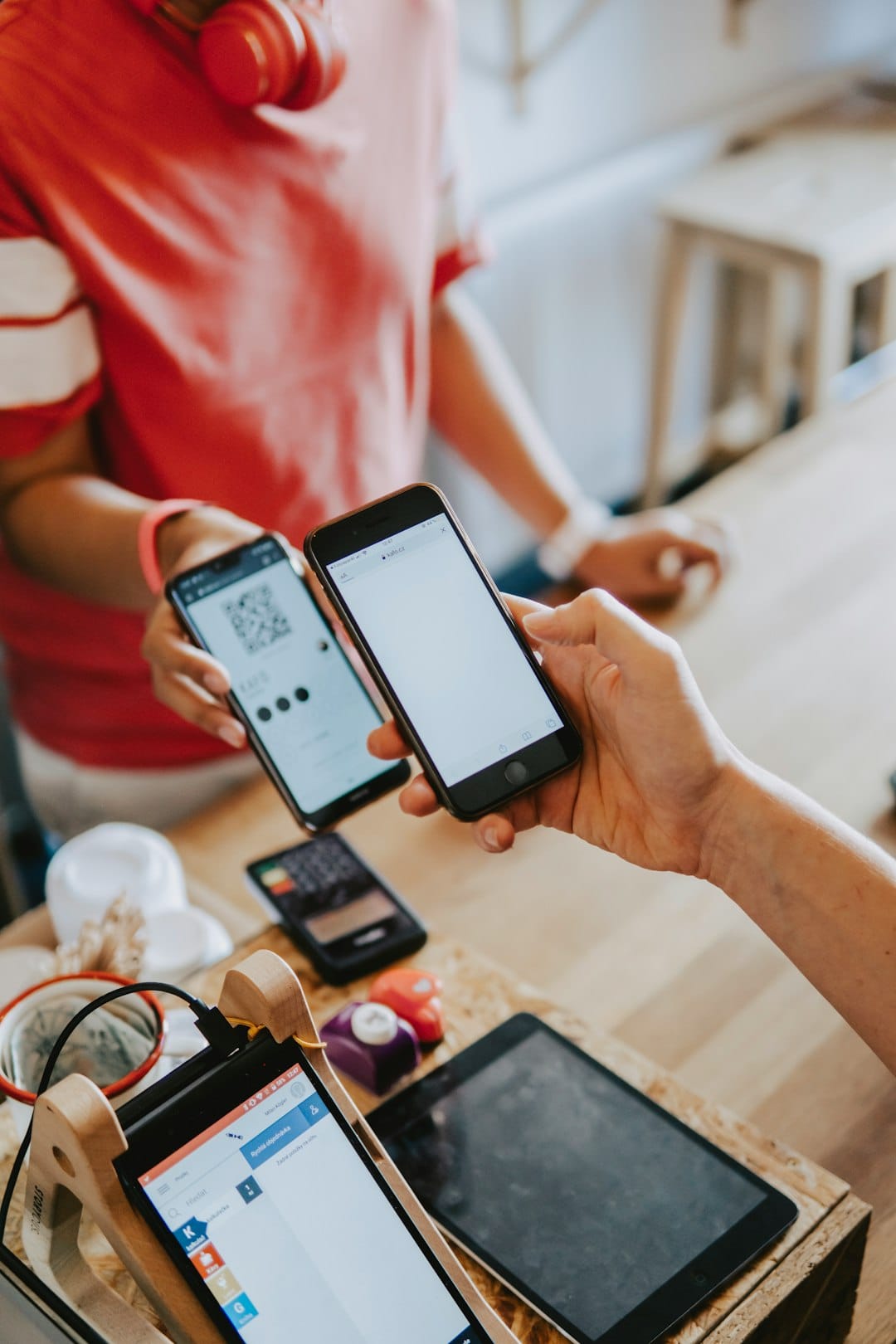
Emerging QR Code Quishing Threats Target Microsoft Users
A new wave of cyber threats has emerged, specifically targeting Microsoft users through a sophisticated quishing campaign. This attack uses cleverly constructed QR codes to mislead users into providing sensitive information, highlighting the ever-evolving tactics employed by cybercriminals.
Innovative Techniques in QR Code Quishing
The attackers in this campaign have developed advanced methods to evade detection by traditional security systems. By splitting the QR code into two separate images and using unconventional color schemes, they can circumvent standard antivirus and PDF scanning defenses. Each half of the QR code is crafted independently within a PDF and then strategically positioned to appear as a single unified image.
Furthermore, unlike traditional QR codes that are embedded as image files, these codes are drawn directly using PDF content stream commands. This method involves precise instructions to render each module of the QR code, effectively bypassing scanners that depend on image extraction. The result is a deceptive QR code that can be read by smartphones and human eyes but avoids detection by many security systems.
Attack Workflow and User Impact
The attack typically begins with a phishing email masquerading as a trusted source, such as DocuSign, notifying recipients of a document needing their review and signature. The email includes a QR code designed to catch the viewer’s eye with its unique color palette, which helps it blend into the document’s overall design and evade standard QR scanner heuristics.
Once the unsuspecting user scans the QR code with their device, they are redirected to a fake Microsoft login page. This counterfeit page is meticulously crafted to mirror Microsoft’s branding, asking users to input their credentials for “secure document access.” Once entered, these credentials are immediately captured and used by attackers to access various services such as corporate email and OneDrive.
After stealing the credentials, attackers can simulate multifactor authentication bypasses, send push-notification prompts to users, or subtly adjust account settings to maintain continued access. The compromised accounts serve as a platform for further phishing attacks within the organization, leveraging internal trust to spread additional threats.
Mitigation Strategies
Protecting against these advanced quishing attacks requires a multifaceted approach involving technological defenses, user education, and incident response strategies. Organizations should implement rigorous PDF scanning policies capable of analyzing content streams to detect non-standard QR code constructions.
Advanced threat protection systems should be configured to inspect PDF rendering commands for anomalies, such as multiple image objects forming a single QR code. Additionally, users must be trained to verify the source of QR codes before scanning and to use official document portals directly instead of links from QR codes.
Enforcing multifactor authentication across all accounts, preferably using hardware tokens or biometric verification rather than SMS or app push notifications, can significantly reduce the risk of unauthorized access. Monitoring for abnormal login attempts and domain registrations that mimic legitimate Microsoft sites is also critical.
Proactive measures such as rapid takedown of fraudulent domains and sharing threat intelligence about indicators of compromise will enhance organizational resilience. As attackers continue to refine their techniques, combining technical innovation with user deception, remaining vigilant and informed is crucial.
Conclusion
As quishing strategies evolve, blending evasion tactics with deceptive branding, it is imperative for both users and security teams to stay alert. By adopting a layered defense strategy and enhancing awareness, organizations can better protect against the growing threat of weaponized QR code attacks targeting critical Microsoft assets.
Explore more about how advanced technologies like a QR code generator can help secure and streamline your digital interactions.