Digital Payment Surge in Southeast Asia: A Double-Edged Sword for Tourists
Digital Payment Surge in Southeast Asia: A Double-Edged Sword for Tourists
The shift towards digital and wallet-based payments in Southeast Asia is transforming the region’s financial landscape. Countries such as Thailand, Vietnam, and Indonesia are at the forefront of this revolution, with mobile wallets, QR codes, and mobile-first payment platforms becoming ubiquitous for both residents and visitors. While this digital surge offers unprecedented convenience, it also introduces challenges like hidden fees, dynamic pricing, and fraud risks, especially for tourists.
The Rise of Digital Payments
In recent years, the adoption of digital payments in Southeast Asia has been nothing short of explosive. Indonesia’s QRIS system, for example, has witnessed a dramatic increase in both users and merchants, aided by cross-border QR payment links with Thailand and Singapore. Similarly, Vietnam has seen a significant rise in mobile wallet acceptance, embedding new payment behaviors into the tourist experience. Meanwhile, Thailand continues to bolster its national wallet infrastructure, with official programs encouraging merchants to adopt QR and app-based payments.
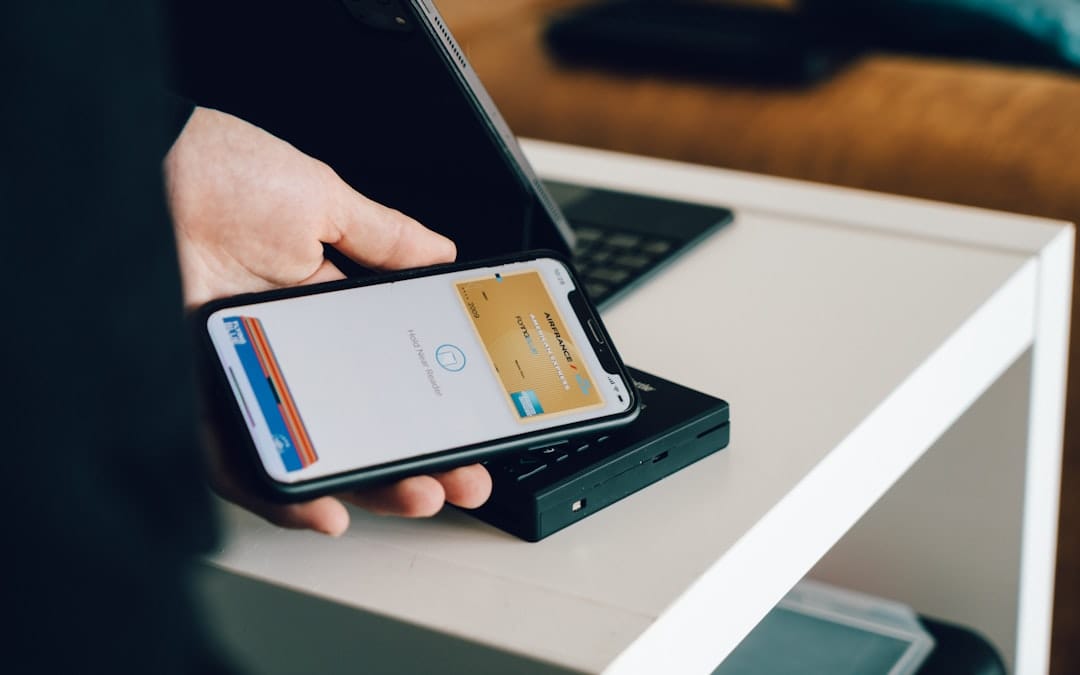
For tourists, these developments promise a seamless “tap-and-go” experience. However, the reality is often more complex. Coverage gaps, unfamiliar local wallets, and potential transaction irregularities can pose significant hurdles.
Hidden Fees and Surcharges
One of the most common issues facing tourists is the prevalence of hidden fees and surcharges associated with digital payments. Many merchants in destinations like Thailand and Vietnam impose additional charges for card and mobile payments. In some cases, payments made in local currencies with high numeric values can lead to overpayment due to simple errors. Furthermore, the layers of cost involved in mobile wallet and QR transactions can elevate expenses for users, particularly those unfamiliar with the local payment ecosystem.
To mitigate these risks, it’s crucial for tourists to verify amounts before confirming transactions and to inquire about any surcharges that may apply to mobile or QR payments.
Fraud and Scam Risks
Fraud remains a pressing concern in the digital payment landscape. Southeast Asia is expected to reach a gross transaction value of approximately USD 1.5 trillion by 2025, but the accompanying “trust gap” in mobile wallets is growing. In Thailand, for instance, online payment frauds linked to mobile and QR transfers have prompted the central bank to implement stricter identity verification measures and transaction caps.
While these measures primarily target domestic fraud, they highlight the vulnerabilities within the payment system that can also affect tourists. Foreign visitors navigating unfamiliar wallets may inadvertently expose themselves to these risks.
Dynamic Pricing and Differential Charging
Dynamic pricing or differential charging is another concern for tourists using mobile or QR payments. Some payment providers and merchants apply different surcharge rules for card or QR payments compared to cash, or they may impose premium conversion rates for foreign card users. Although comprehensive data on this practice is limited, travel guides warn that errors in payment amounts, especially in countries with high-value currencies, can lead to significant overpayments.
For tourists unfamiliar with local currencies, QR app languages, or hidden fees, the risk of paying more than intended is substantial. Ensuring clarity in transaction details and understanding the local payment landscape are essential steps for avoiding surprises.
Regulatory Responses and Tourist Caution
Governments in Southeast Asia are aware of these challenges and are working to enhance payment transparency. Thailand, for instance, has capped daily online transfers for new mobile banking users due to concerns over scam losses. While these measures primarily address domestic fraud, they underscore the need for a robust and transparent payment ecosystem for all users, including tourists.
In Vietnam, the rapid embrace of mobile wallets by merchants presents a mixed picture for tourists. Although acceptance is growing, payment experiences can vary significantly, necessitating vigilance from visitors.
Practical Tips for Tourists
To navigate the digital payment landscape safely, tourists should adopt several practices:
- Always verify the payment amount displayed before confirming transactions.
- Check for any applicable surcharges related to mobile or QR payments.
- Prefer familiar or widely accepted wallets whenever possible.
- Keep cash as a backup for situations where digital payment is not feasible.
Additionally, travelers should remain aware of currency conversion rates and fees, especially when using a QR code generator to facilitate their payments.
Conclusion
The digital payment surge in Southeast Asia brings both immense potential and significant risks. As countries like Indonesia, Vietnam, and Thailand move towards cashless economies, tourists stand to benefit from increased convenience. However, they must also navigate a landscape fraught with hidden fees, merchant surcharges, currency conversion complexities, and rising fraud risks. While there is no definitive evidence of systematic exploitation of tourists through mobile payments, the structural conditions for such issues exist. Travelers should approach mobile payments abroad with awareness and caution to fully enjoy the benefits while minimizing potential pitfalls.