Digital Payment Fraud: QR Code Tampering Uncovered
Digital Payment Fraud: QR Code Tampering Uncovered
The digital age has brought with it innovative conveniences like QR codes for quick transactions, but it has also opened doors for new types of scams. Recently, a 19-year-old was arrested for misusing this technology to reroute UPI payments into his own account, deceiving both customers and shop owners.
Discovery of the Scam
The fraudulent activity came to light on December 13 when a customer reported that their digital transaction at a well-known garment store didn't register with the merchant. The customer had scanned QR codes at the store to pay ₹2.50 lakh for a lehenga, making two separate payments of ₹90,000 and ₹50,000. Despite having confirmation screenshots, the payment had not reached the store's official account, leading to suspicions of foul play.
Investigation and Arrest
Following the complaint, an e-FIR was filed at the Cyber Police Station in North District, invoking sections of the Bharatiya Nyaya Sanhita relating to fraud and conspiracy. The police scrutinized the store's billing and digital payment systems to trace the anomaly.
Upon examining the UPI transaction records, it was evident that the payments were directed to an account not linked to the store. The trail led investigators to Rajasthan, where they identified the account holder as Manish Verma from Chaksu in Jaipur district. An inter-state operation was launched, leading to his arrest and transportation to Delhi for further questioning.
The Fraudulent Method
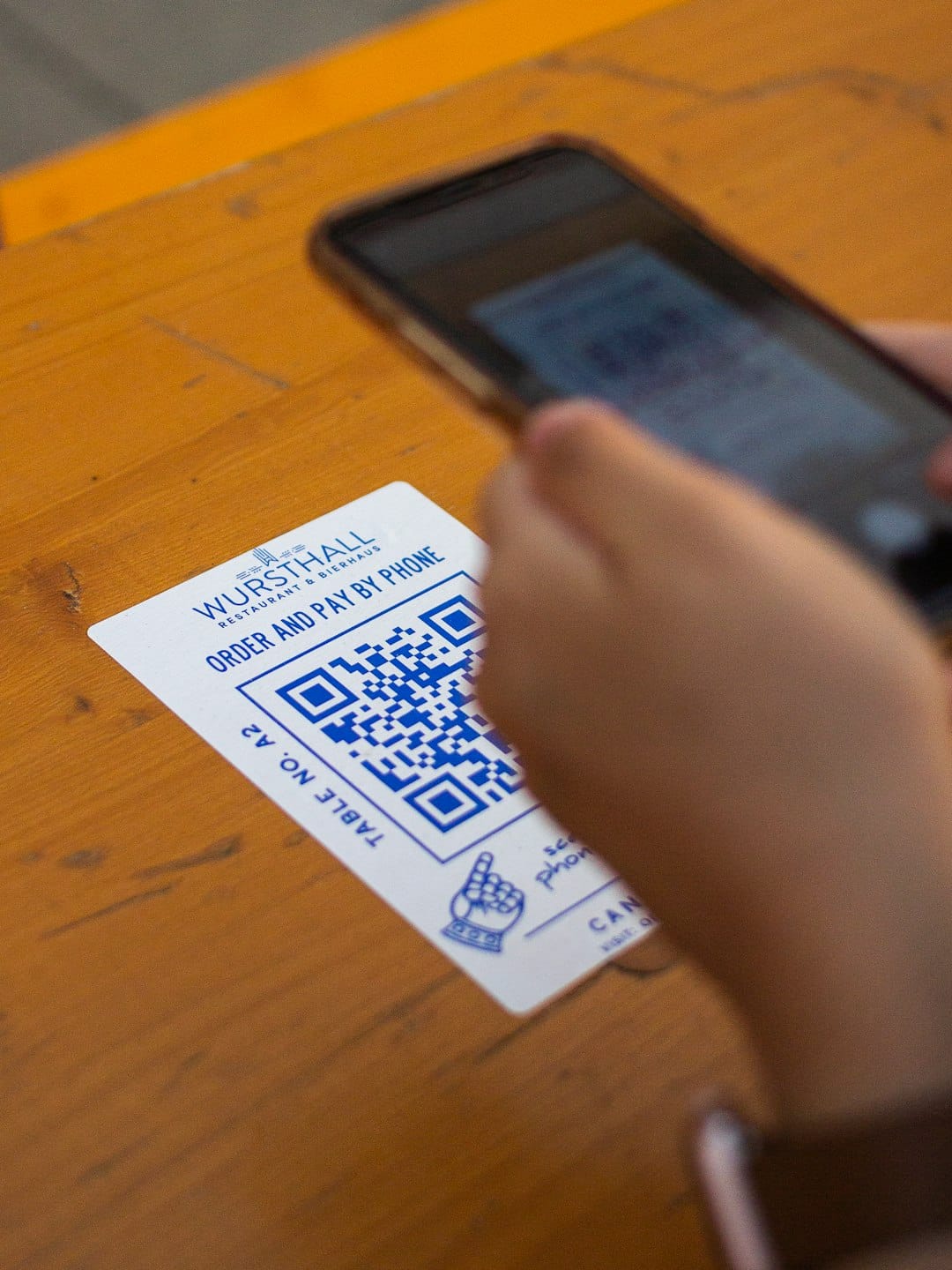
During interrogation, the accused confessed to modifying genuine merchant QR codes by inserting his bank details, while ensuring the QR codes looked visually similar to the originals. This trickery allowed him to deceive customers who unwittingly transferred money to his account.
Forensic analysis of the mobile devices seized from him revealed over 100 altered and original QR codes, along with chats, screenshots, and financial records. This suggests that the scam may have been executed at numerous other locations as well.
Ongoing Investigation
Investigators suspect that this method might have been widely used, and efforts are underway to identify additional victims and fraudulent transactions associated with the accused.
Authorities have urged merchants to frequently verify their QR codes and advised customers to check the beneficiary's name before completing any substantial UPI transactions. This vigilance can help prevent falling victim to similar scams.
In a world where technology evolves rapidly, awareness and caution remain crucial in protecting oneself from such fraudulent activities. By staying informed and attentive, both consumers and businesses can safeguard against these digital threats.