China's Unified QR Code System: Revolutionizing Cross-Border Payments
China's Unified QR Code System: Revolutionizing Cross-Border Payments
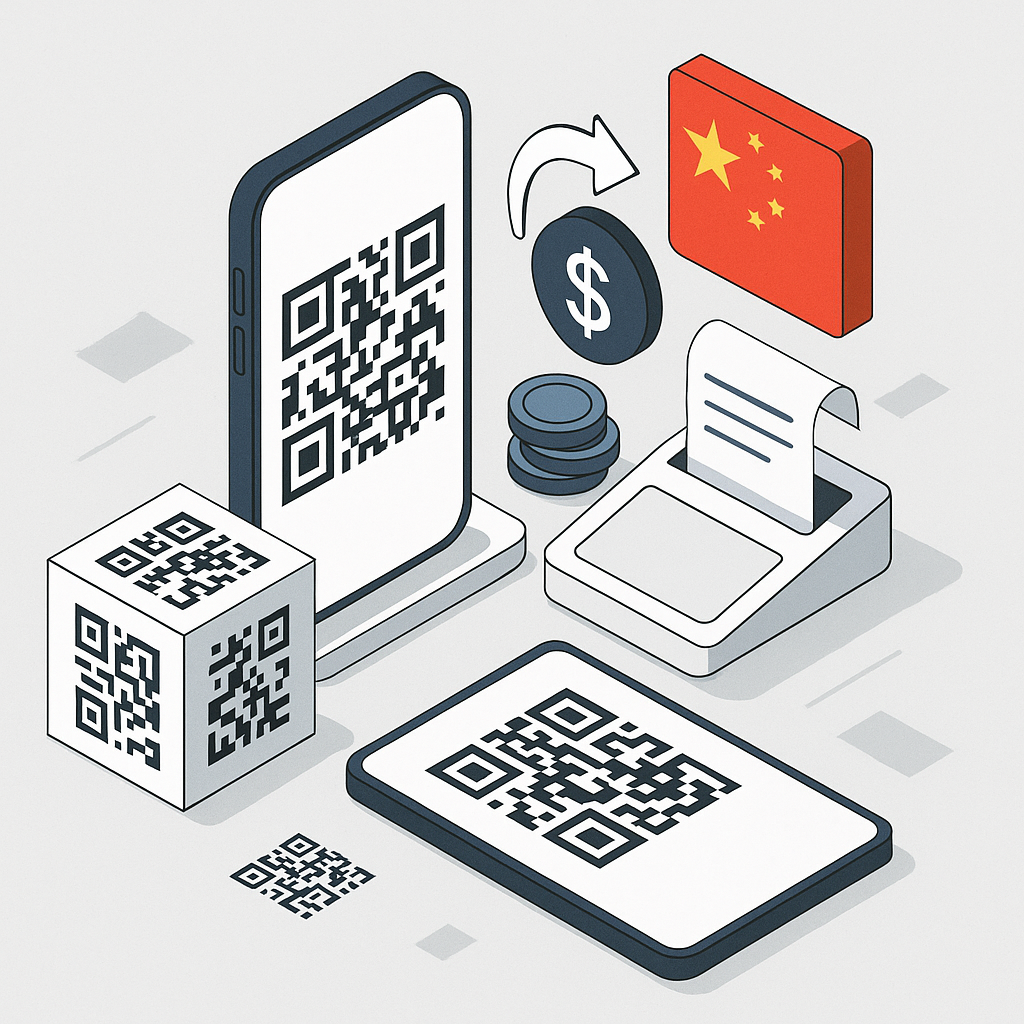
China is embarking on a transformative journey to streamline cross-border payments with the introduction of a unified QR code system. This initiative aims to resolve the challenges of inconsistent standards that international visitors face when attempting to use their digital wallets within China. The new system is a pivotal aspect of Beijing's broader strategy to make digital payments more accessible and convenient for foreign travelers.
Addressing Inconsistencies in Payment Systems
Previously, international visitors faced numerous hurdles when trying to process payments in China, as they had to connect separately with each domestic payment platform. This fragmentation often resulted in duplicate infrastructure and wasted resources. As articulated by Lu Lei, deputy governor of the People’s Bank of China, the lack of compatibility between platforms has significantly hindered the integration of overseas wallets into China's payment ecosystem.
The unified QR code system seeks to eliminate these inefficiencies by providing a single, cohesive gateway that connects foreign digital wallets to Chinese payment networks. This marks a significant departure from the earlier approach of establishing individual agreements between foreign and domestic platforms.
The Unified Gateway: A Collaborative Effort
Launched in July, the unified gateway is a result of collaboration between China UnionPay Co. Ltd. and the Payment and Clearing Association of China (PCAC). China UnionPay, a key state-owned financial institution, is responsible for the clearing services and operational management of the system. During its pilot phase, the gateway has already enabled wallets from regions such as Singapore, Malaysia, Thailand, Hong Kong, and Macao to make seamless payments within the Chinese mainland.
Major Chinese platforms such as Alipay, Ant International, and Tencent's Tenpay Global are active participants in the pilot program. Tencent has already begun transitioning its cross-border transactions to the new gateway, which is particularly beneficial for visitors from Southeast Asia who are strong advocates for such integration.
Standardization and Transparency
The establishment of a national QR code standard is poised to bring about significant efficiency and cost savings. By standardizing technical protocols, the system simplifies the process for foreign wallets, reducing barriers for international visitors and businesses. This unified approach not only streamlines operations but also enhances transparency in payment processing.
The new gateway moves payments towards a global "four-party model," wherein a central clearing network processes and records transactions. This model ensures a standardized, transparent flow of transactions, a stark contrast to the previous "closed-loop system" employed by non-bank payment service providers (NPSPs) like Alipay. The older system pooled overseas merchants into a single account, complicating regulatory oversight and increasing risks of fraud and money laundering.
Enhancing Regulatory Oversight
With the new gateway, comprehensive transaction data, including value and specific merchant information from platforms such as Alipay and WeChat Pay, is collected and transmitted. This allows the State Administration of Foreign Exchange to monitor and oversee cross-border transactions more effectively. Experts suggest that the system will significantly bolster anti-money laundering efforts and regulatory compliance, although its success hinges on the full disclosure of transaction data by major payment platforms.
The Road Ahead
China's move towards a unified QR code system represents a substantial advancement in cross-border payment processing. It not only improves accessibility for foreign users but also enhances operational efficiency through technical standardization. Moreover, it increases regulatory oversight, aiding in fraud prevention and compliance. Nonetheless, the ultimate success of this system will depend on the cooperative efforts of major payment service providers.
As China continues to adapt and refine its digital payment landscape, the unified QR code system stands as a testament to its commitment to modernizing infrastructure and enhancing the convenience and security of financial transactions. For travelers looking to experience seamless integration during their visits, this development marks an exciting chapter in China's digital payment evolution.
For those interested in exploring the possibilities of QR code payments, using a QR code generator can offer insights into the potential of this technology in varying contexts.