Chennai Metro's QR Code Ticketing: A Look at Recent Challenges
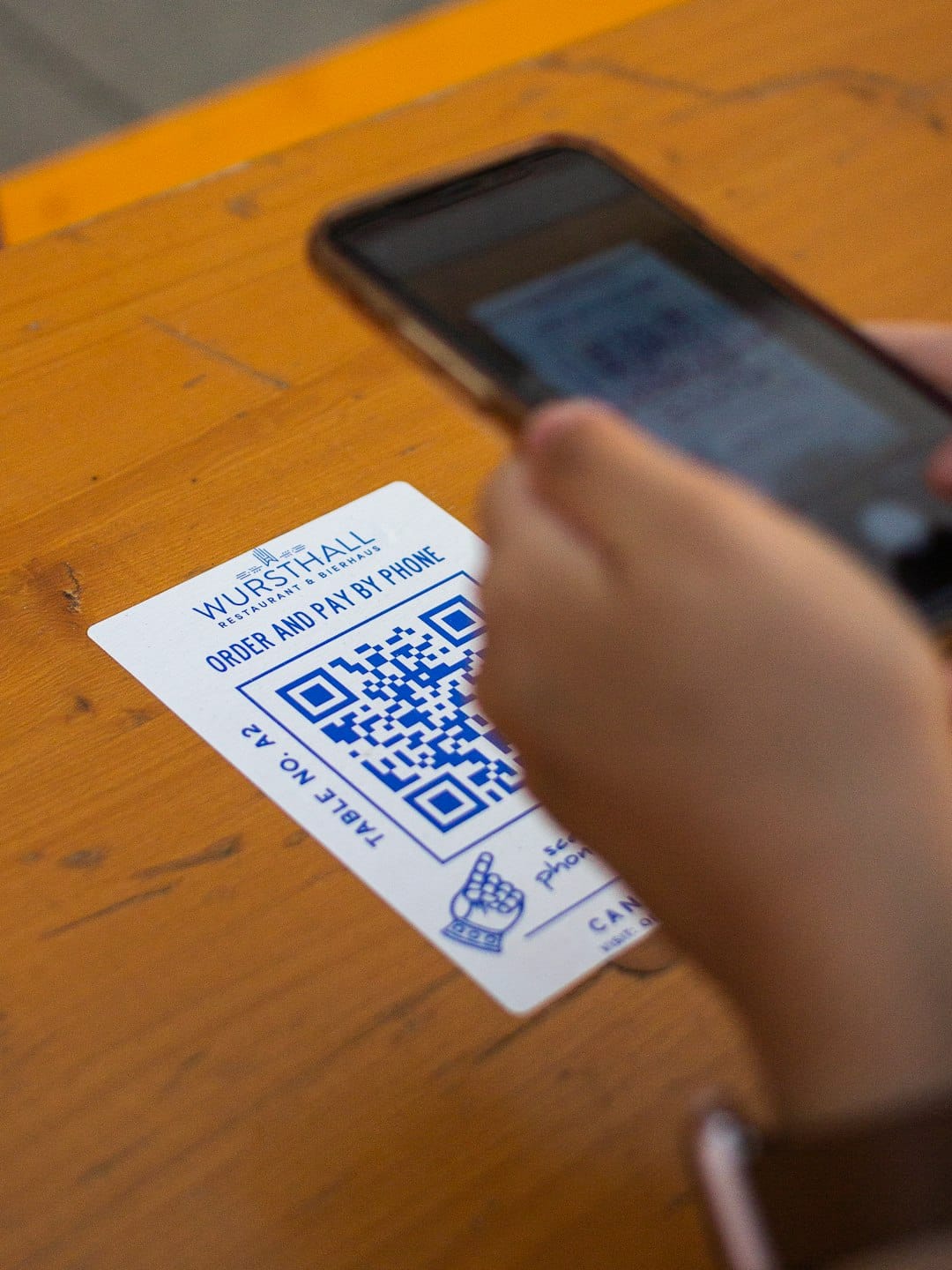
Chennai Metro's QR Code Ticketing: A Look at Recent Challenges
The Chennai Metro Rail's QR code ticketing service recently faced a technical hiccup, leading to an unexpected halt in its operations. This glitch highlights the challenges and dependencies of digital systems in modern public transportation.
The Role of QR Codes in Public Transport
QR codes have revolutionized ticketing systems worldwide, offering a convenient and contactless way to access public transport. For the Chennai Metro, this technology has been pivotal, streamlining the boarding process and reducing queues at ticket counters.
However, the reliance on digital solutions means that any technical issues can cause significant disruptions. The recent glitch in the QR code system underscores the importance of maintaining robust digital infrastructure and having contingency plans in place.
Understanding the Technical Glitch
The specific details of the technical issue that affected Chennai Metro's QR code ticketing service have not been fully disclosed. However, such problems generally stem from software bugs, server outages, or network connectivity issues. Each of these potential causes requires different solutions and proactive management to prevent recurrence.
For commuters, these disruptions can lead to delays and inconveniences, emphasizing the need for reliable technology partners and frequent system audits.
Solutions and Future Improvements
To mitigate future disruptions, Chennai Metro, like many other transit systems, must invest in improving its IT infrastructure. Here are a few strategies to enhance the resilience of the QR code ticketing system:
- Redundant Systems: Implement backup servers and networks to ensure continuity when primary systems fail.
- Regular Updates and Testing: Conduct frequent software updates and rigorous testing to identify and fix potential vulnerabilities.
- User Feedback Mechanisms: Establish channels for users to report issues quickly, allowing for speedy resolution.
By focusing on these areas, the Chennai Metro can improve its digital ticketing reliability, ensuring smoother operations for its daily users.
The Broader Impact of QR Code Technology
Beyond public transport, QR codes have a vast array of applications. From retail and dining to healthcare and education, they offer a versatile solution for both authentication and information sharing. Their simplicity and efficiency make them a popular choice in sectors aiming to reduce physical touchpoints and streamline processes.
For businesses and services looking to implement such technology, a reliable QR code generator can be an invaluable tool in creating custom codes tailored to specific needs.
Looking Ahead
The recent disruption in Chennai Metro's QR code service is a reminder of the vulnerabilities that come with technological advancements. Yet, it also presents an opportunity to learn and adapt. By addressing these challenges head-on, public transportation can continue to evolve, offering efficient, safe, and modern services to commuters.
As QR codes and similar technologies become more integrated into daily life, ensuring their reliability will be paramount. Future developments might see even more sophisticated systems that further enhance user experience while minimizing potential points of failure.
Ultimately, the goal is to strike a balance between embracing innovation and ensuring the reliability and user-friendliness of these digital systems. As the Chennai Metro works to restore and improve its QR code ticketing service, it takes a step forward in navigating the complexities of modern urban transit solutions.