Beware the Rise of Quishing: Protect Yourself from QR Code Scams (Update)
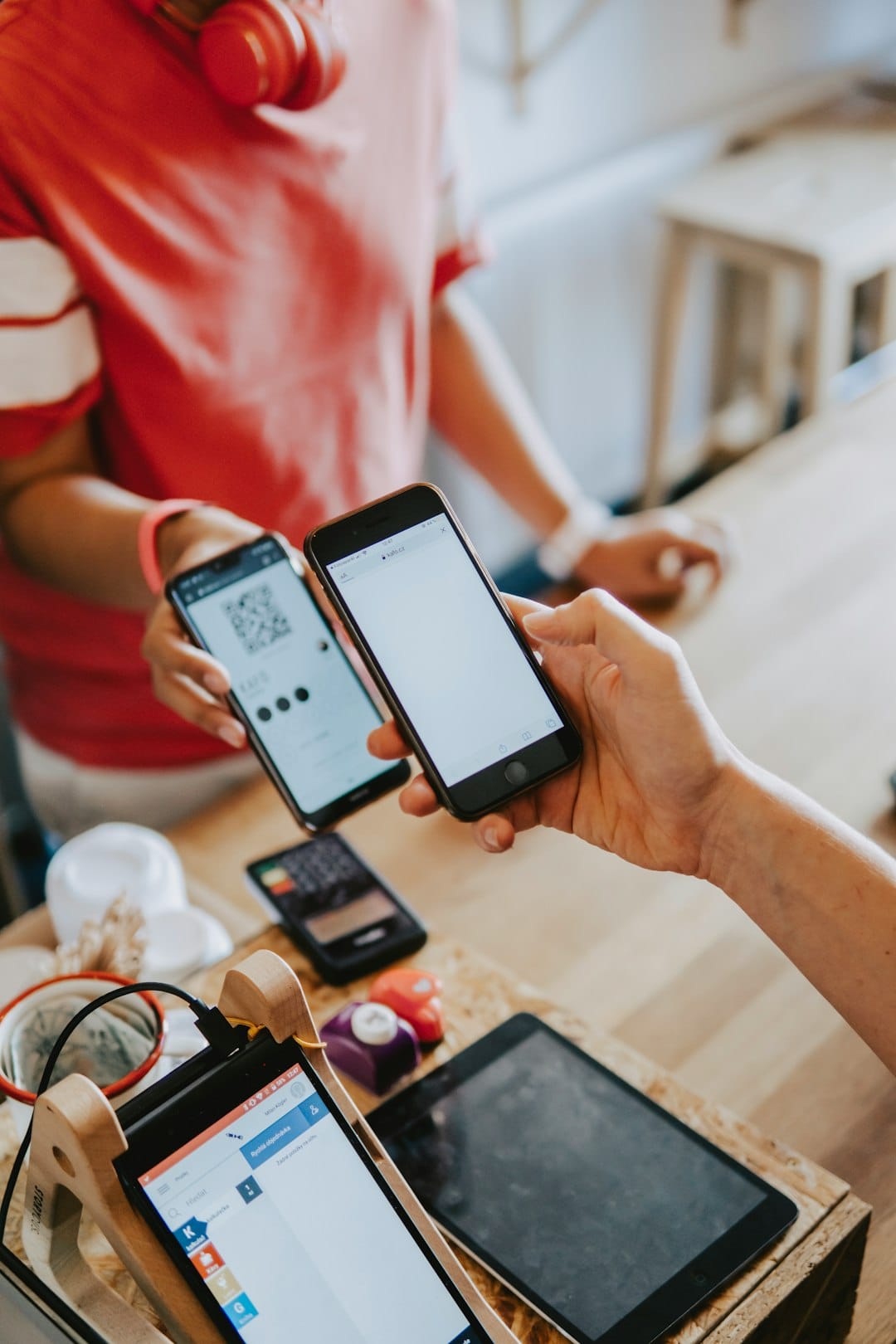
Beware the Rise of Quishing: Protect Yourself from QR Code Scams
QR codes have become a seamless part of our everyday lives, offering convenience at our fingertips. Whether it's ordering a drink at a pub, paying for parking, or accessing information quickly, these black-and-white grids simplify many tasks. However, as their popularity rises, so does their potential for misuse.
What is Quishing?
Quishing is a nefarious twist on the convenience of QR codes combined with the tactics of phishing. Phishing is a notorious cybercrime technique where scammers attempt to deceive individuals into revealing sensitive information such as passwords or bank details. In quishing, QR codes replace traditional phishing links in emails, making it more difficult for users to recognize and avoid harmful sites.
When an unsuspecting user scans a quishing QR code, they might be redirected to a fraudulent website designed to steal personal information like login credentials or financial data. The deceptive nature of these scams capitalizes on the widespread trust and frequent use of QR codes both digitally and in the real world.
The Growing Threat of Quishing
According to recent figures, there have been significant increases in quishing incidents. Between April 2024 and April 2025, 784 cases were reported, resulting in nearly £3.5 million in losses—an average of £10,000 per day. Compliance experts warn that these numbers likely underestimate the true scale, as many victims remain unaware of the role QR codes play in scams until facing unexpected financial consequences.
Instances of quishing can escalate from simple transactions to severe identity theft and financial fraud. For example, a woman who scanned a fake QR code in a car park found herself the victim of identity theft, resulting in fraudulent loans and a compromised bank account.
Case Studies and Reports
Several reports highlight the widespread nature of these scams. The 2025 Fraudscape report documented a record number of fraud cases, indicating a troubling trend. Moreover, impersonation frauds, including those involving QR codes, rose sharply, with fraudsters often masquerading as trusted bodies to solicit payments or personal information.
Common Places for Quishing Scams
Car parks are particularly vulnerable to quishing scams. Fraudsters often place fake QR code stickers on payment machines, misleading users into visiting malicious sites. Investigations reveal that out of 373 local council responses, 123 reported quishing incidents in their car parks over the past year.
These scams not only compromise user data but also lead to unpaid genuine parking fees, exposing motorists to further penalties and financial stress.
How to Protect Yourself from Quishing
While the tactics may be sly, staying vigilant can help you avoid falling victim to quishing scams. Here are some steps you can take:
- Pause and Think: Before scanning any QR code, take a moment to assess the situation. Rushing can lead to mistakes.
- Use Built-in QR Scanners: It's safer to use your phone’s native QR reader rather than third-party apps, which could be less secure.
- Look for Tampering: Be cautious of public QR codes that appear altered or have stickers placed over them.
- Verify URLs: If you do scan a QR code, examine the URL it directs you to before proceeding. Avoid entering sensitive information if something seems off.
- Install Security Software: Consider adding mobile protection or antivirus software to your device to help block malicious sites or downloads.
By exercising caution and understanding the potential risks, you can protect your personal and financial information from the growing threat of quishing. Remember, a moment’s scrutiny is often all it takes to safeguard your peace of mind.
For those looking to create their own secure QR codes, try using a reliable QR code generator to maintain safety.