Beware of Quishing: The Rising Threat of QR Code Scams
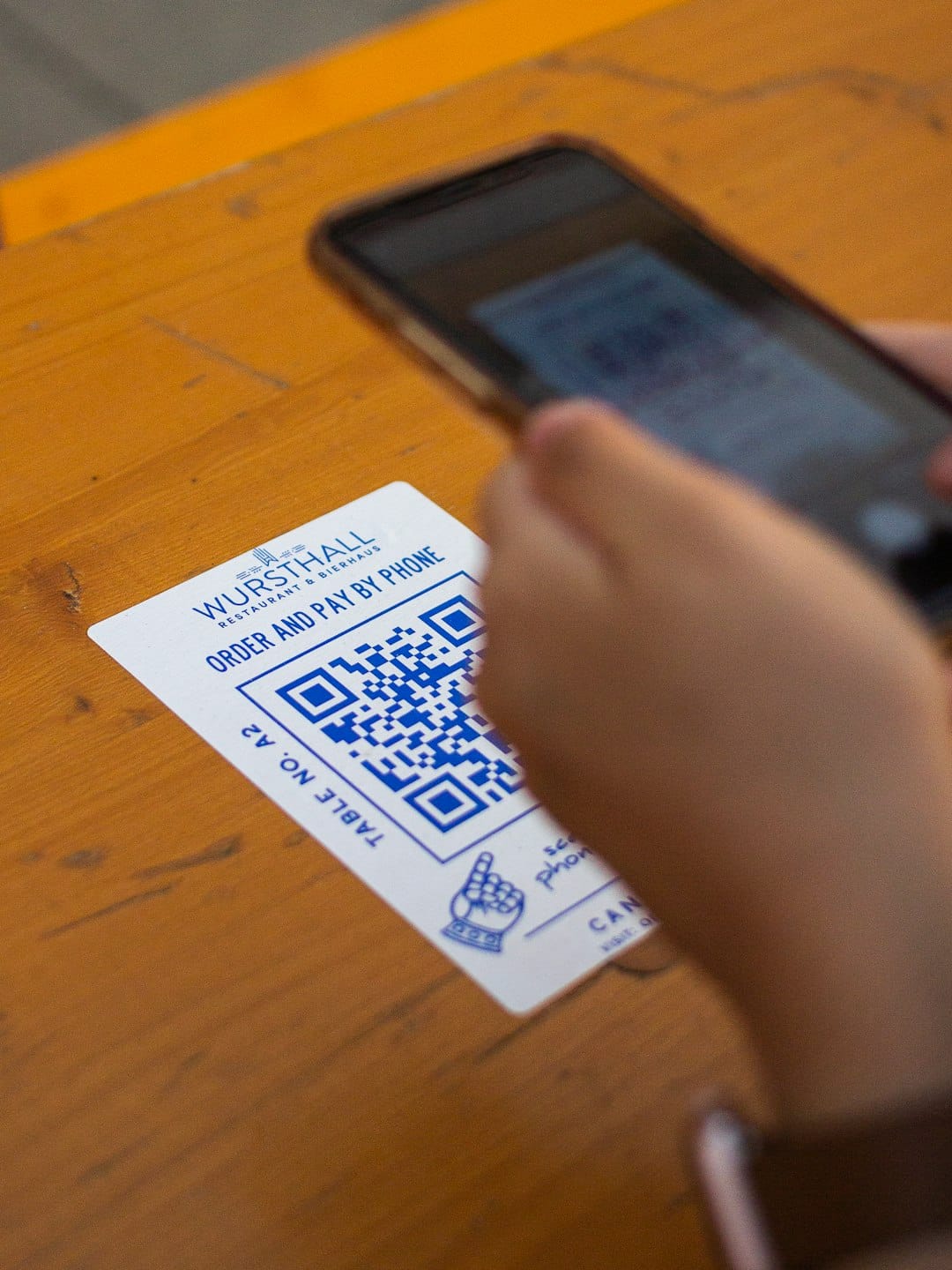
Beware of Quishing: The Rising Threat of QR Code Scams
In our tech-driven world, QR codes are ubiquitous, facilitating everything from ordering at a restaurant to paying for parking. A quick scan of these black-and-white grids can take you directly to a website or app, making transactions seamless. However, this convenience is being exploited by scammers in a new type of fraud known as "quishing."
Understanding Quishing
Quishing is a clever blend of "QR" and "phishing," using QR codes to lead unsuspecting users to malicious sites. While phishing typically involves emails or messages tricking you into revealing personal information, quishing utilizes QR codes to achieve the same malicious intent. Scammers replace legitimate QR codes with fake ones that redirect users to fraudulent websites designed to steal sensitive data, such as login credentials and financial information.
The Rise of Quishing Scams
Recent figures from Action Fraud highlight the alarming increase in quishing scams. Between April 2024 and April 2025, there were 784 reported incidents, with losses totaling nearly £3.5 million. This equates to more than two incidents a day, costing consumers around £10,000 daily. Naomi Grossman, a compliance manager at VinciWorks, notes that these figures likely underestimate the problem, as many victims remain unaware of the cause of their losses until much later.
One particularly distressing case involved a 71-year-old woman who, after scanning a fake QR code at a car park, fell victim to identity theft. The scammers impersonated her bank, set up online banking in her name, and secured a £7,500 loan, leaving her financially stranded and dependent on her son for support.
Common Targets of Quishing
Car parks have emerged as a primary target for quishing scams. Fraudsters often place fake QR code stickers over legitimate ones on payment machines. Action Fraud's data, supported by investigations from The Bureau of Investigative Journalism, indicates that numerous local councils have reported such incidents. Of 373 councils surveyed, 123 had encountered quishing attacks in their car parks over the past year.
This not only exposes drivers to financial fraud but also leaves parking fees unpaid, risking penalty charges. The prevalence of quishing in car parks underscores the need for vigilance when scanning QR codes in public spaces.
Preventing Quishing Scams
As with many scams, quishing exploits moments of haste and distraction. The best defense is to remain vigilant and cautious. Here are some practical steps to protect yourself from quishing scams:
- Always use your phone's built-in QR scanner rather than third-party apps, which could be less secure.
- Consider installing mobile protection or antivirus software to block malicious sites or downloads.
- Be wary of public QR codes that appear tampered with or have stickers over them. If suspicious, do not scan them.
- Before scanning, verify the legitimacy of the QR code by accessing the service directly through its official website.
- After scanning a QR code, carefully check the URL before proceeding. Avoid entering login or payment details unless you are confident of the site's authenticity.
Remember, taking a moment to verify the authenticity of a QR code can save you from potential financial loss and stress. For those who frequently use QR codes, it might be wise to explore secure scanning options, such as the QR code generator, which can provide additional layers of protection and peace of mind.
Conclusion
As the use of QR codes continues to grow, so too does the sophistication of scams targeting them. Staying informed and cautious is key to avoiding falling victim to quishing and other related frauds. Keep your eyes open, think before you scan, and safeguard your personal and financial information from these emerging threats.