Beware of Fraudulent QR Codes in Unsolicited Packages (Update)
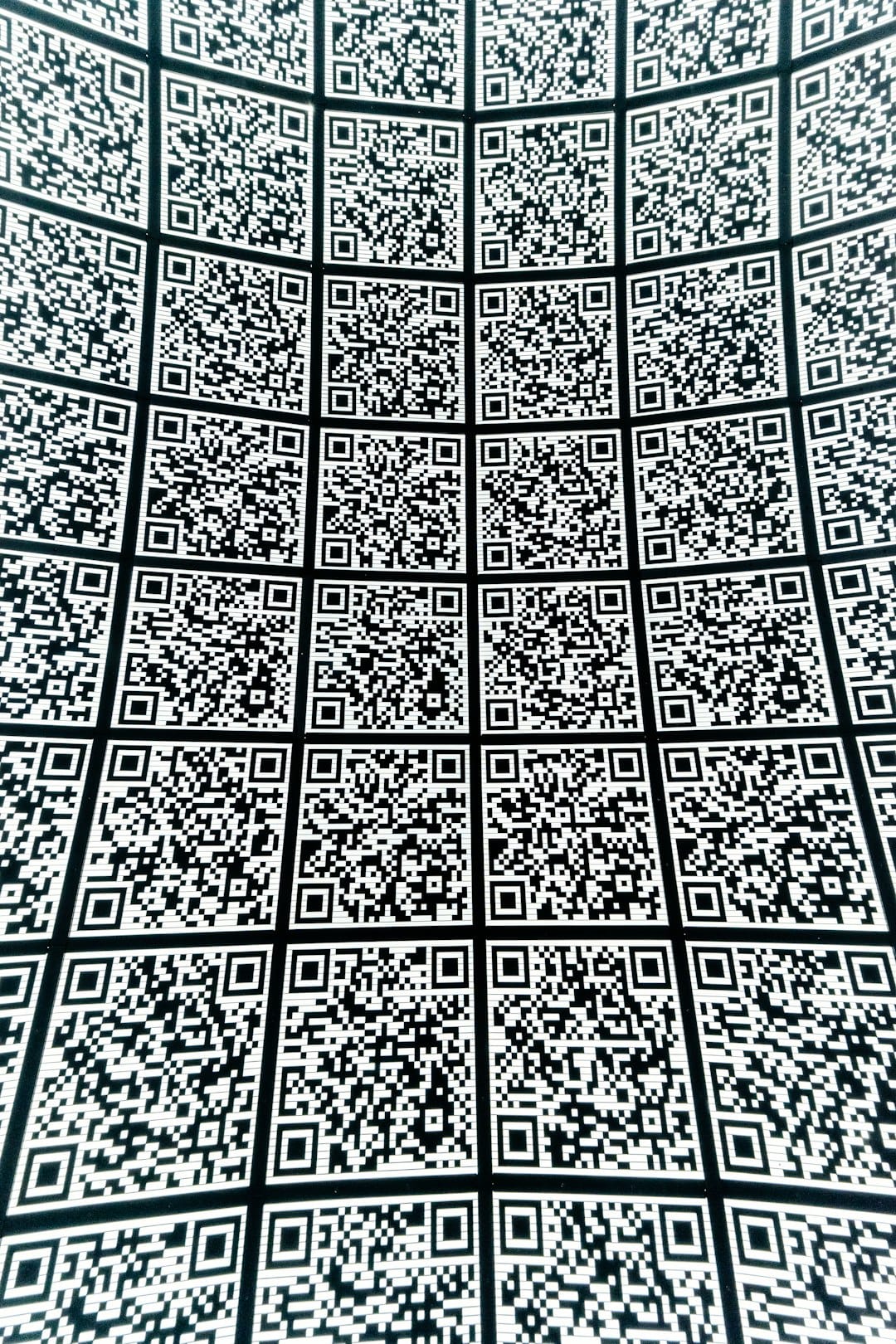
Beware of Fraudulent QR Codes in Unsolicited Packages
The FBI has issued a warning about a new fraudulent scheme involving unsolicited packages containing QR codes. This scam aims to deceive individuals into revealing personal and financial information or unwittingly downloading malicious software onto their devices.
Understanding the QR Code Scam
This fraudulent practice is a variant of the "brushing scam," where individuals receive packages they never ordered. Historically, these scams were used by vendors to boost product ratings by posting fake reviews. However, the current version has introduced a more sinister component: QR codes.
These QR codes, strategically placed on packages without a return address, are designed to spark curiosity. When scanned, they can redirect users to fake websites or initiate the download of malware that extracts sensitive data from their phones.
How the Scam Works
The intent behind these QR codes is to trick individuals into divulging personal and financial details. Alternatively, they might unknowingly download malicious software, compromising their devices and data security.
Stay Protected: Tips to Avoid Falling Victim
- Do not scan QR codes from unknown sources: Always verify the origin of a QR code before scanning.
- Be cautious with unsolicited packages: Treat any unexpected package with suspicion, especially those without a sender's information.
- Review app and website permissions: Be vigilant about what permissions you grant when accessing apps or websites via a QR code.
- Monitor your accounts: If you suspect involvement in a scam, change your login credentials immediately and request a free credit report from major agencies to check for fraudulent activity.
If you believe you have been targeted by this scam, report the incident to the FBI’s Internet Crime Complaint Center. Providing details such as names, contact methods, and involved websites or apps can assist in addressing the issue.
Additional Support for Older Adults
Those aged 60 or older who need assistance with filing a complaint can reach out to the Department of Justice Elder Justice Hotline at 1-833-FRAUD-11. This resource provides specialized support for older individuals confronting fraud.
As these scams continue to evolve, staying informed and cautious is crucial in safeguarding your personal information. Always verify the source of QR codes and remain skeptical of unsolicited deliveries.
Embrace Technology Safely
While QR codes offer convenience, they also pose potential risks when misused by scammers. Tools like a QR code generator serve legitimate purposes, but caution is necessary when interacting with unknown QR codes. By staying aware and informed, you can protect yourself from falling victim to these deceptive practices.