Beware of Fraudulent Packages: The QR Code Scam
Beware of Fraudulent Packages: The QR Code Scam
The growing prevalence of technology in our daily lives has brought about countless conveniences, but it also opens the door to new types of scams. Recently, the FBI has issued an alert regarding a sophisticated scheme involving unsolicited packages that contain QR codes. This scam aims to deceive individuals into revealing personal or financial information and even risk downloading harmful software onto their devices.
The Mechanics of the Scam
This scam is a variant of the "brushing scam," where unsuspecting recipients receive products they never ordered. Initially, vendors used this method for fake positive reviews, boosting their product ratings with little oversight. Now, scammers have added a more dangerous twist with the inclusion of QR codes.
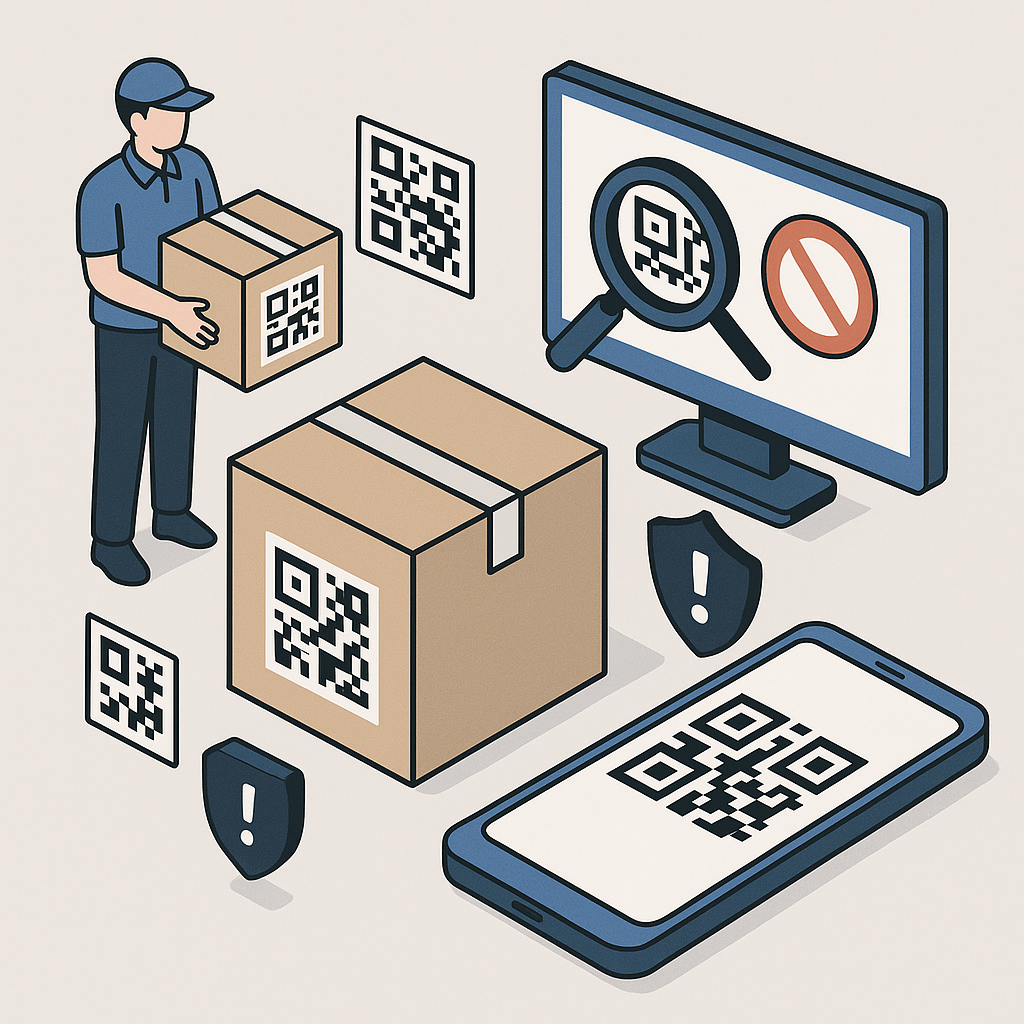
These packages, often devoid of a return address to spark curiosity, encourage recipients to scan the QR codes. Upon scanning, these codes can lead to counterfeit websites or initiate downloads of malware aimed at extracting sensitive data from the user's phone.
How the QR Code Scam Works
- Recipients receive a mysterious package they did not order, often with no sender information.
- The package contains a QR code, enticing the recipient to scan it.
- Scanning the code may lead to websites soliciting personal or financial information or start a download of malicious software.
Protecting Yourself from QR Code Scams
The FBI has shared several tips to help individuals safeguard themselves against this emerging threat:
- Do not scan QR codes from unknown sources. This is crucial to avoid falling prey to the scam.
- Be cautious with any package you receive unsolicited.
- Packages lacking sender information should raise suspicion.
- Pay close attention to permissions requested by websites or apps accessed through a QR code.
- If you suspect being a target, change your account login details and monitor your credit report for unusual activity through agencies like Equifax, Experian, or TransUnion.
Reporting and Assistance
If you suspect you've been targeted by a scam involving QR codes, it's important to report the incident to the FBI's Internet Crime Complaint Center. Providing comprehensive details about any names, contacts, websites, or apps used in the scam can assist in thwarting these criminal operations.
Additionally, individuals aged 60 or older who require assistance in filing a complaint can reach out to the Department of Justice Elder Justice Hotline for help.
Stay Vigilant in a Digital World
As technology continues to evolve, so does the complexity and creativity of scams. It's essential to remain vigilant and informed to protect personal information in an increasingly connected world. Using tools like a QR code generator safely and understanding their risks are necessary to navigating this digital landscape safely.
Remember, it's always better to err on the side of caution when dealing with unexpected digital interactions, especially those that request personal data or involve unfamiliar sources. By staying informed and cautious, you can help protect yourself and those around you from these emerging threats.