Adapting to the New Parking Payment System: Challenges and Solutions
Adapting to the New Parking Payment System: Challenges and Solutions
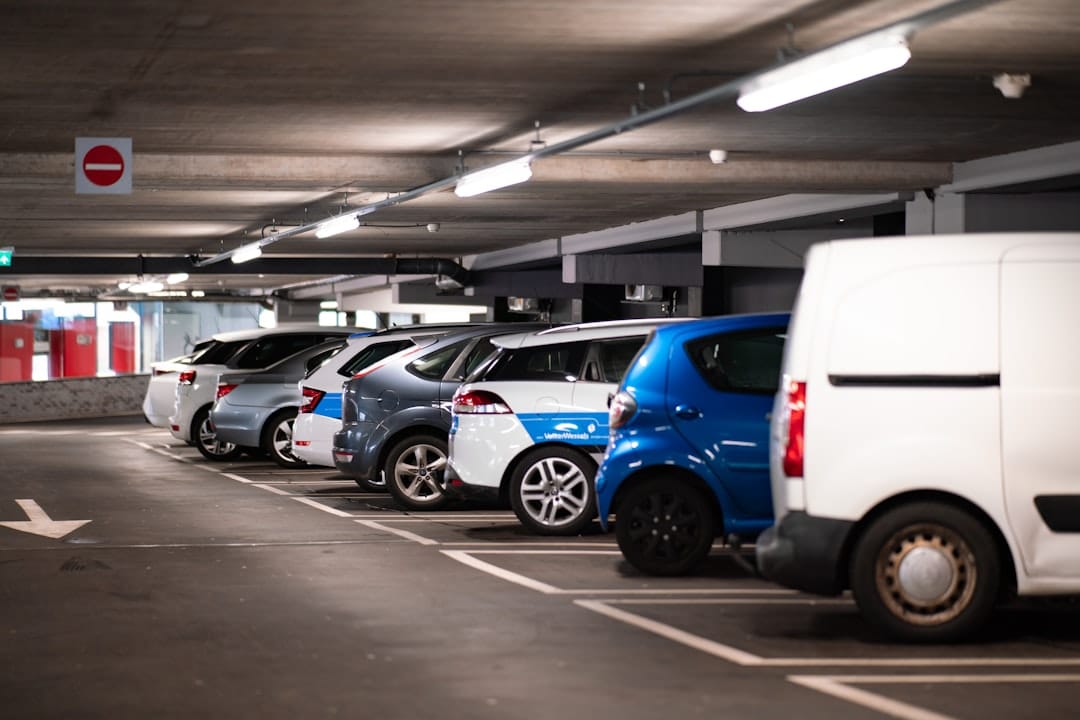
In Reading, a modern ticketless parking system implemented at the Oracle Riverside car park has sparked mixed reactions among drivers. This innovative system, which relies on QR code generator technology and a tap-out feature at the exit, aims to streamline the parking payment process. However, some drivers have reported difficulties adapting to this new method.
Challenges Faced by Drivers
Andrew Curtis, a resident of Wargrave, and his wife encountered problems twice while attempting to pay for their parking. Frustrated by this experience, they have decided to consider other shopping venues in the future. Curtis described the new system as unnecessarily complex, pointing out that the process felt cumbersome and time-consuming.
Another visitor, Sharon Illingworth from Leeds, faced similar challenges during her trip to Reading. She emphasized the lack of alternative payment options, mentioning that the QR codes failed to function properly, leaving drivers with no option but to pay at the exit. Illingworth expressed concern that the system excludes those who prefer cash, particularly senior citizens who may find technology daunting.
Carl Milan, on the other hand, found the QR code system easy to use due to his familiarity with the technology. Nevertheless, he acknowledged that it could pose a significant challenge for older individuals who might not own phones capable of reading QR codes.
The Operator's Perspective
Steve Belam, head of operations for Hammerson, the company that owns the car parks, defended the new system, describing it as more efficient and eco-friendly. According to Belam, the shift was intended to enhance the parking experience by eliminating the need for app downloads, which are often required in other car parks.
Belam also addressed concerns about payment difficulties by highlighting that pay stations had been installed at exit barriers. These stations allow drivers to tap their debit cards, providing an alternative for those who encounter issues with mobile payments. The goal, Belam emphasized, is to create a seamless experience for all users.
Technology and Inclusion
The introduction of digital payment systems in car parks reflects a broader trend toward using technology to improve efficiency. However, this transition also underscores the need for inclusivity. While digital solutions offer convenience, not everyone is equally equipped to embrace such changes. It raises the question of how to balance modern convenience with accessibility.
For many, especially the elderly and those less comfortable with technology, maintaining a choice between digital and traditional payment methods could be crucial. Offering diverse payment options ensures that no segment of the population is inadvertently marginalized by technological advancements.
Moving Forward
As parking facilities and other services increasingly adopt digital solutions, continuous feedback from users will be essential. Operators must remain responsive to customer experiences and willing to adapt systems to better serve a diverse range of patrons. While the Oracle Riverside car park's system presents a case study in both innovation and challenge, it highlights the dynamic interplay between technology and user adaptation.
Ultimately, finding the right balance between modernization and user-friendliness will be key. Ensuring that systems are intuitive and accessible to all users, regardless of their technological comfort level, will support broader adoption and satisfaction.
The evolution of parking payment systems reflects a step toward sustainable and efficient operations. However, achieving widespread user acceptance will depend on thoughtful implementation and ongoing consideration of user needs. As such systems continue to evolve, they promise to reshape the way we interact with everyday services.